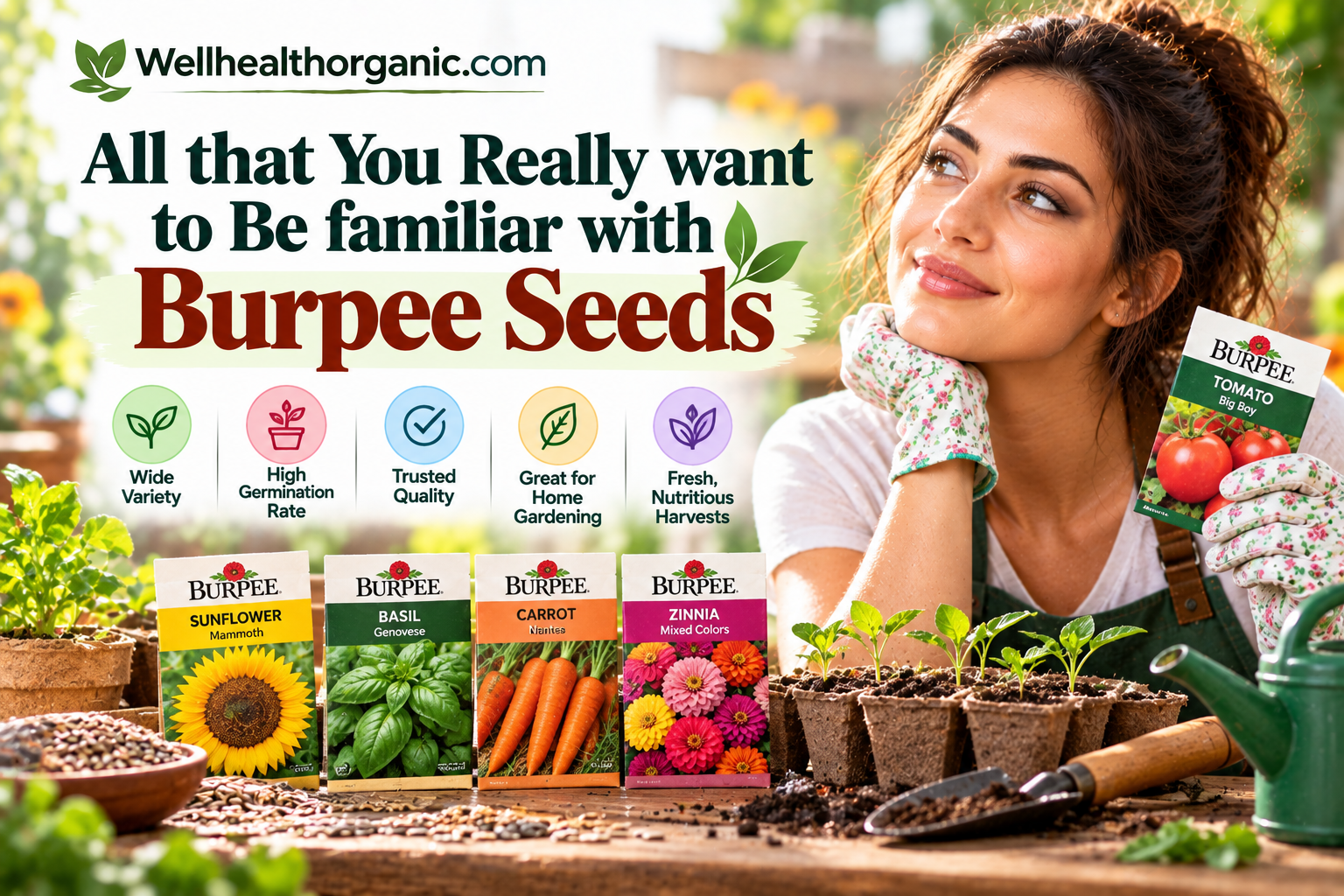
Whether you’re starting your first garden or looking for new varieties to add to an established growing space, choosing the right seeds is an important first step. Burpee Seeds are widely used by home gardeners for growing vegetables, herbs, fruits, and flowers.
Burpee has a long history in the American gardening industry and offers both traditional and newer plant varieties. Gardeners can choose from numerous seed types based on their climate, available space, growing conditions, and personal preferences.
In this guide, we’ll explore what Burpee Seeds are, the types available, how to choose the right seeds, how to start seeds successfully, the difference between hybrid and heirloom seeds, organic options, germination, storage, and frequently asked questions.
What Are Burpee Seeds?
Burpee Seeds are seeds sold by W. Atlee Burpee & Co., an American seed and gardening company founded in 1876.
The company offers seeds and plants for home gardeners, including varieties of:
- Vegetables
- Flowers
- Herbs
- Fruits
- Annuals and perennials
Burpee also sells gardening supplies and provides growing information designed to help gardeners select, plant, maintain, and harvest different varieties.
History of Burpee Seeds
W. Atlee Burpee founded his business in Philadelphia in 1876. The company initially focused on poultry and livestock before expanding its attention to seeds after customers expressed a need for reliable seed varieties.
By the late nineteenth century, Burpee had become an important seed company serving American farmers and home gardeners.
Burpee also became known for breeding and introducing varieties designed for growing conditions in the United States.
The company’s historic Fordhook Farm in Pennsylvania has played an important role in its plant breeding and variety-testing programs.
Types of Burpee Seeds
One of the advantages of browsing Burpee’s seed selection is the variety of plants available. Your ideal choices will depend on what you want to grow and the conditions in your garden.
Vegetable Seeds
Vegetables are an important part of Burpee’s seed selection.
Depending on current availability, gardeners may find seeds for crops such as:
- Tomatoes
- Peppers
- Carrots
- Lettuce
- Beans
- Peas
- Cucumbers
- Radishes
- Beets
- Squash
- Onions
- Broccoli
Some vegetables are well suited to direct sowing outdoors, while others are commonly started indoors before being transplanted into the garden.
Flower Seeds
Gardeners interested in ornamental gardening can choose from numerous flower varieties.
Flowers can be selected according to characteristics such as color, mature height, flowering season, sunlight requirements, and whether they are annuals or perennials.
Some flowering plants can also provide food or habitat for bees, butterflies, and other pollinators.
Herb Seeds
Herbs can be useful choices for garden beds, raised beds, containers, and some indoor growing spaces.
Common garden herbs include:
- Basil
- Parsley
- Cilantro
- Dill
- Thyme
- Oregano
- Chives
Always check the requirements of the particular variety because different herbs have different temperature, light, water, and spacing needs.
Why Do Gardeners Choose Burpee Seeds?
Gardeners choose seed brands for many reasons, including variety selection, availability, germination standards, growing information, and previous gardening experience.
Some features associated with Burpee include its long history, extensive selection, plant-breeding programs, gardening resources, and product guarantee.
Wide Selection
Burpee offers traditional and newer varieties across numerous categories, giving gardeners choices for different garden sizes, climates, growing methods, and preferences.
Seed Testing
Seed germination is an important consideration when purchasing seeds. Burpee states that its seeds are tested to exceed applicable germination requirements.
However, successful germination at home still depends heavily on environmental conditions such as temperature, moisture, planting depth, seed age, and growing medium.
Growing Information
Seed packets and gardening resources can provide information about sowing, spacing, germination, transplanting, and harvesting.
Following instructions for the specific plant variety is important because seed-starting requirements can differ significantly between species.
Are Burpee Seeds Non-GMO?
Burpee states that it does not sell genetically modified seeds and that its seed offerings are non-GMO.
It is important to understand that non-GMO, hybrid, heirloom, and organic are different terms.
A hybrid seed is not automatically genetically modified. Hybrid plants are generally produced through controlled crosses between selected parent plants using conventional breeding techniques.
Are Burpee Seeds Organic?
Not every Burpee seed is organic.
Burpee offers specific varieties that are certified organic. Seeds that are not labeled organic should not automatically be considered organically produced.
If certified organic seeds are important to you, look specifically for the organic designation when selecting a variety.
Organic Seeds vs. Non-Organic Seeds
The distinction between organic and non-organic seed primarily relates to how the parent plants and seeds were produced.
Organic seed production must follow applicable organic production standards.
Choosing organic seed does not mean that the resulting plant will automatically remain organic regardless of how you grow it. Your soil management, fertilizers, pest-control methods, and other gardening practices also affect how the plant is grown.
Hybrid vs. Heirloom Burpee Seeds
Gardeners may encounter both hybrid and heirloom varieties when shopping for seeds.
Hybrid Seeds
Hybrid varieties are produced by intentionally crossing selected parent plants to combine desirable characteristics.
Depending on the variety, breeders may select for characteristics such as:
- Disease resistance
- Yield
- Plant size
- Flavor
- Color
- Earlier maturity
- Adaptability to particular growing conditions
Seeds saved from hybrid plants may not produce plants with exactly the same characteristics as the original hybrid.
Heirloom Seeds
Heirloom varieties are generally older, open-pollinated varieties that have been maintained over generations.
Many gardeners choose heirlooms for their history, appearance, flavor, or the ability to save seeds when appropriate isolation and seed-saving practices are followed.
Neither hybrid nor heirloom seeds are automatically better for every gardener. The best choice depends on your gardening goals.
How to Choose the Right Burpee Seeds
Buying attractive varieties is easy, but successful gardening begins with choosing plants suited to your growing conditions.
Consider Your Climate
Different plants prefer different temperatures and growing seasons.
Cool-season crops can tolerate lower temperatures, while warm-season plants generally require warmer soil and air temperatures.
Learn your local frost dates and growing season before deciding when to sow seeds.
Check Sunlight Requirements
Before buying seeds, determine how much direct sunlight your garden receives.
Many vegetables and flowering plants perform best with substantial direct sunlight, while some crops can tolerate partial shade.
Follow the recommendations for the specific variety you’re growing.
Consider Your Available Space
Check the expected mature size and recommended spacing before planting.
A small seedling can eventually become a very large plant.
If you’re gardening in a small space, consider compact varieties specifically suited to containers, patios, raised beds, or smaller gardens.
Consider Your Growing Method
Think about whether you’ll be growing in:
- Traditional garden beds
- Raised beds
- Containers
- Greenhouses
- Indoor growing systems
Not every variety is equally suited to every growing method.
Check Days to Maturity
Seed descriptions commonly provide information about the approximate number of days required for a crop to reach a particular stage of maturity.
This information can help you determine whether a variety is appropriate for the length of your growing season.
How to Start Burpee Seeds
Seed-starting instructions differ between plants, so always follow the directions provided for the particular variety.
However, several general principles can improve your chances of success.
1. Determine the Correct Planting Time
Some plants should be started indoors several weeks before the expected final spring frost, while others perform better when directly sown outdoors.
Planting too early or too late can affect germination, plant development, flowering, and harvest.
2. Use an Appropriate Seed-Starting Mix
When starting seeds indoors, use a clean growing medium intended for seed starting rather than dense garden soil.
A suitable seed-starting medium should hold enough moisture for germination while still providing drainage and air around developing roots.
3. Plant at the Correct Depth
Different seeds require different planting depths.
Some very small seeds are planted close to the surface because they require light or minimal covering, while larger seeds may need to be planted deeper.
Follow the instructions provided for the specific seed variety.
4. Maintain Consistent Moisture
Seeds generally require consistent moisture during germination.
The growing medium should usually remain appropriately moist without becoming waterlogged.
Allowing the soil to completely dry during germination can prevent seedlings from emerging, while excessive moisture can encourage problems such as damping off.
5. Maintain an Appropriate Temperature
Soil temperature can significantly affect germination.
Cool-season and warm-season crops have different temperature requirements. A seed that fails to germinate may simply be planted in soil that is too cold or too warm for that species.
6. Provide Adequate Light After Germination
Once seedlings emerge, adequate light becomes extremely important.
Insufficient light can result in weak, elongated seedlings that stretch toward the light source.
If natural sunlight is inadequate indoors, an appropriate grow light may help provide more consistent light.
How Long Do Burpee Seeds Take to Germinate?
There is no single germination time for Burpee Seeds because germination depends primarily on the plant species, variety, seed condition, temperature, moisture, planting depth, and other environmental factors.
Some seeds may germinate within several days, while others can take multiple weeks.
Check the seed packet or growing instructions for the expected germination period of your particular variety.
What Is the Germination Rate of Burpee Seeds?
There is not one universal germination percentage that applies to every Burpee seed packet.
Germination standards differ between plant species. Burpee states that its seeds are tested and that germination can exceed required state and federal minimums.
Actual germination in your garden can still vary depending on:
- Seed age
- Storage conditions
- Soil temperature
- Moisture
- Planting depth
- Soil or growing medium
- Light requirements
- Disease
- Weather conditions
Why Are My Burpee Seeds Not Germinating?
Failure to germinate does not necessarily mean the seeds are defective.
Common causes of poor germination include:
- Planting too deeply or too shallowly
- Incorrect soil temperature
- Allowing the growing medium to dry out
- Excessive moisture
- Poor soil or growing medium
- Old or improperly stored seeds
- Incorrect light conditions
- Not allowing enough time for germination
Check the requirements of your particular plant before assuming the seed has failed.
How to Transplant Seedlings
Plants started indoors may need to be transplanted outdoors once they are sufficiently developed and outdoor conditions are appropriate.
Indoor seedlings are often gradually acclimated to outdoor conditions before permanent transplanting. This process is commonly known as hardening off.
Gradual exposure can help seedlings adjust to differences in sunlight, wind, temperature, and humidity.
When transplanting, handle seedlings carefully to minimize damage to stems and roots.
Can Burpee Seeds Be Grown in Containers?
Many vegetables, herbs, and flowers can be grown successfully in containers, but suitability depends on the variety.
When container gardening, consider:
- Mature plant size
- Container size
- Drainage
- Sunlight
- Water requirements
- Root depth
- Plant spacing
Compact or container-friendly varieties may be particularly useful for balconies, patios, and small gardens.
How to Store Leftover Burpee Seeds
Proper seed storage can help preserve viability for future planting.
In general, unused seeds should be stored in a cool, dry, and dark location.
Heat and moisture can shorten the useful storage life of many seeds.
Keep seed packets labeled so you know the variety and approximate age when you’re ready to plant again.
Seed longevity varies by species, so some seeds remain viable longer than others.
Can You Save Seeds From Burpee Plants?
Whether saving seeds is practical depends on the type of plant.
Seeds collected from open-pollinated varieties may produce plants similar to their parent plants when appropriate seed-saving and isolation practices are followed.
Seeds collected from hybrid varieties may produce plants with different characteristics in the next generation.
If seed saving is one of your primary goals, research whether the particular variety is hybrid or open-pollinated before planting.
Where Can You Buy Burpee Seeds?
Burpee Seeds can be purchased through the company’s official website, and selected products may also be available through garden centers and other retailers.
Availability can vary depending on the retailer, season, location, and specific variety.
When purchasing seeds, check the package condition and product information and choose varieties appropriate for your growing conditions.
Can You Buy Burpee Seeds in Larger Quantities?
Some Burpee seeds are available in larger package sizes intended for growers who need more seed than a typical home-garden packet provides.
Availability depends on the crop and variety, so gardeners who need larger quantities should check current package-size options before ordering.
Do Burpee Seeds Come With Planting Instructions?
Seed packets generally provide important information to help gardeners grow the particular variety.
Depending on the seed, this information may include:
- Planting depth
- Spacing
- When to sow
- Sunlight requirements
- Germination information
- Days to maturity or harvest
Additional growing information may also be available through online gardening resources.
Burpee Seeds for Beginners
New gardeners may find it easier to begin with a small number of crops rather than planting many different varieties at once.
Choose plants appropriate for your climate and growing space and learn the basic requirements of each one.
Depending on local growing conditions, beginner-friendly choices may include certain varieties of:
- Lettuce
- Radishes
- Beans
- Peas
- Basil
- Sunflowers
- Zucchini
Even plants considered easy to grow can fail when planted at the wrong time or under unsuitable conditions, so always check the instructions for your specific variety.
Common Seed-Starting Mistakes to Avoid
Successful seed starting often depends more on providing the correct growing conditions than on complicated gardening techniques.
Common mistakes include:
- Starting seeds too early
- Using unsuitable garden soil indoors
- Overwatering
- Allowing seeds to dry out
- Planting at the wrong depth
- Providing insufficient light
- Ignoring temperature requirements
- Overcrowding seedlings
- Transplanting without acclimating seedlings
Are Burpee Seeds Worth It?
Whether Burpee Seeds are right for your garden depends on your preferences, budget, location, and the varieties you’re looking for.
Burpee offers a broad selection of vegetable, herb, flower, and fruit varieties, including hybrid, heirloom, and certified organic options.
Rather than choosing seeds based solely on the brand, compare varieties based on their growing requirements, disease resistance, days to maturity, plant size, flavor, appearance, and suitability for your climate.
Conclusion
Burpee Seeds offer home gardeners a broad selection of vegetables, herbs, fruits, and flowers. With a history dating back to 1876, Burpee has become a familiar name in American home gardening.
However, purchasing quality seeds is only the beginning of successful gardening. Germination and plant growth depend on choosing varieties appropriate for your climate and providing the correct soil, temperature, moisture, light, spacing, and care.
Before planting, read the instructions for each variety carefully and consider your local frost dates, available sunlight, garden space, and length of growing season.
Whether you’re growing tomatoes in a backyard garden, herbs in containers, or flowers for pollinators, thoughtful seed selection and proper growing conditions can give your plants a much better start.
Frequently Asked Questions About Burpee Seeds
What are Burpee Seeds?
Burpee Seeds are seeds sold by W. Atlee Burpee & Co., a gardening company founded in 1876. The company offers vegetable, herb, fruit, and flower seeds along with plants and gardening supplies.
Are Burpee Seeds non-GMO?
Yes. Burpee states that it has never bred or sold genetically modified seeds and that its seeds are non-GMO.
Are all Burpee Seeds organic?
No. Burpee sells both organic and non-organic seeds. Look for a certified organic designation if you specifically want organically produced seeds.
Are Burpee hybrid seeds GMO?
No. Hybrid and genetically modified are different concepts. Hybrid varieties are produced through conventional plant breeding by crossing selected parent plants. Burpee states that its seeds are non-GMO.
Does Burpee sell heirloom seeds?
Yes. Burpee offers both heirloom and hybrid varieties. Availability varies by plant type and season.
Do Burpee Seeds have a good germination rate?
Burpee states that its seeds are tested to exceed applicable germination standards. However, actual germination at home depends on the plant species and conditions such as temperature, moisture, planting depth, seed age, and growing medium.
How long do Burpee Seeds take to germinate?
Germination time depends on the particular plant. Some varieties can emerge within several days, while others may require multiple weeks. Follow the germination information provided for your specific seed.
Why aren’t my Burpee Seeds germinating?
Possible reasons include incorrect temperature, inconsistent moisture, improper planting depth, unsuitable soil, old seeds, insufficient time, or inappropriate light conditions. Check the growing requirements of the specific variety.
Can I grow Burpee Seeds indoors?
Many varieties can be started indoors, particularly crops that benefit from getting a head start before outdoor growing conditions become suitable. Other plants may perform better when directly sown outdoors.
Can Burpee Seeds grow in containers?
Many Burpee varieties can be grown in containers, but suitability depends on mature plant size, root requirements, container size, drainage, and available sunlight. Look for compact or container-friendly varieties when space is limited.
Can I save Burpee Seeds for next year?
Unused seeds may remain viable when stored correctly, although storage life differs by plant species. Keep seeds cool, dry, and dark and understand that germination may decline as seeds age.
Can I collect seeds from Burpee plants?
You may be able to save seeds from open-pollinated varieties. Seeds collected from hybrid plants may not produce plants identical to the parent variety.
Where can I buy Burpee Seeds?
Burpee Seeds are available through Burpee’s official website and selected garden centers and retailers. Availability varies by location, season, and variety.
Does Burpee sell seeds in larger quantities?
Some varieties are available in larger seed packages. Package sizes and availability depend on the particular crop and product.
Do Burpee seed packets include planting instructions?
Seed packets generally include useful growing information such as planting time, depth, spacing, and other instructions relevant to the variety.
What is the difference between organic and non-organic Burpee Seeds?
Organic designation relates to how the seed was produced. Burpee states that its certified organic seeds are produced according to organic requirements, while seeds that are not labeled organic should not be considered organically produced.
Are Burpee Seeds good for beginners?
They can be. For beginners, success depends less on the brand and more on choosing varieties suitable for the local climate, season, available space, and gardening experience.