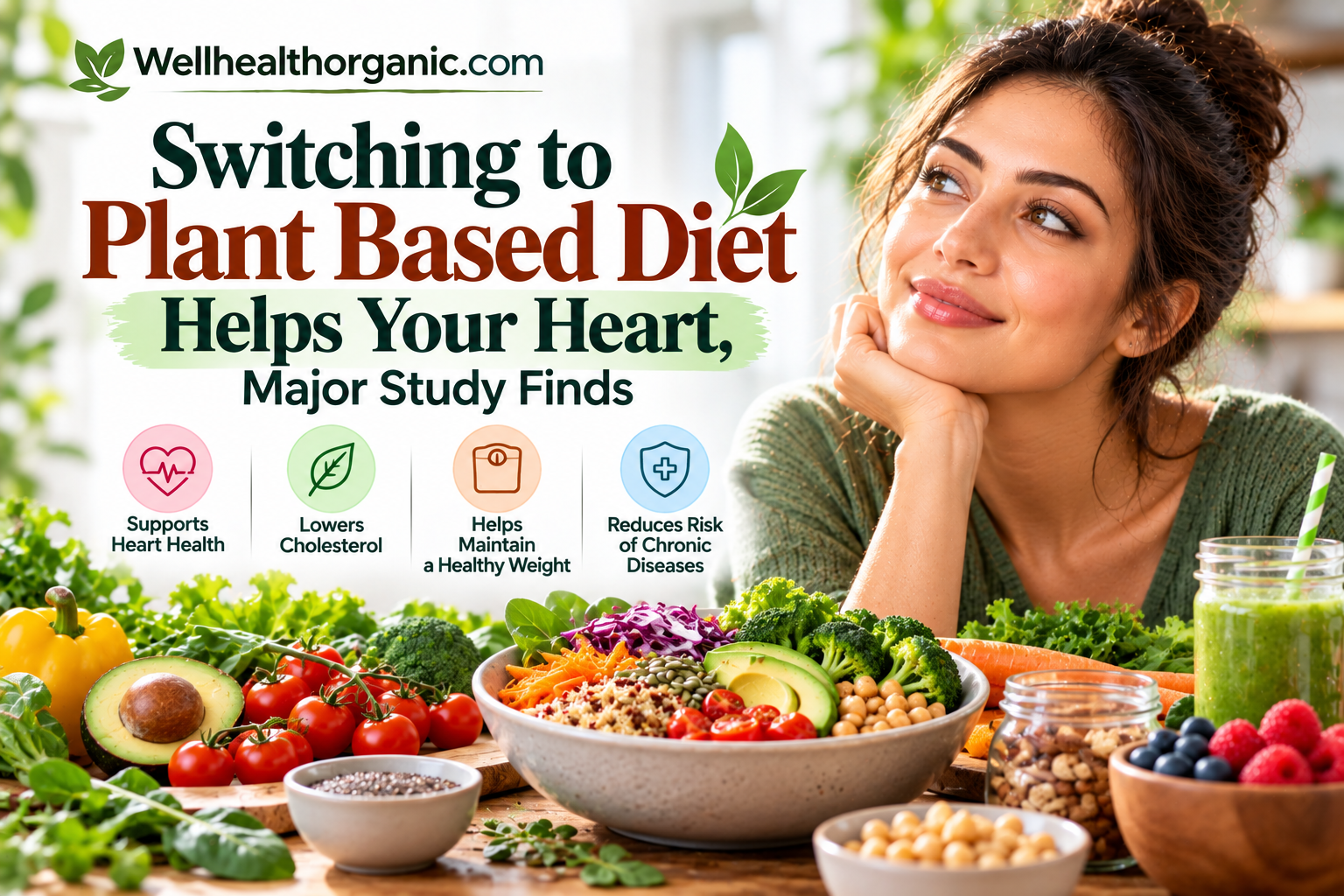
A plant-based diet has become increasingly popular among people looking to improve their nutrition, support heart health, and eat more sustainably. Rather than focusing on a single food or supplement, plant-based eating emphasizes fruits, vegetables, whole grains, legumes, nuts, seeds, and other foods derived primarily from plants.
Research has associated healthy plant-focused eating patterns with several cardiovascular benefits, including healthier cholesterol levels, improved blood pressure, better weight management, and a lower risk of cardiovascular disease in some populations.
However, simply labeling a diet “plant-based” does not automatically make it healthy. The quality of the foods you choose matters. A diet rich in vegetables, fruits, legumes, whole grains, nuts, and seeds is very different nutritionally from one dominated by refined grains, sugary drinks, sweets, and highly processed foods.
In this comprehensive guide, we’ll explore plant-based diet benefits for heart health, the best foods to eat, important nutrients to consider, foods to limit, meal ideas, and practical tips for getting started.
What Is a Plant-Based Diet?
A plant-based diet is an eating pattern that emphasizes foods that come primarily from plants.
These foods may include:
- Vegetables
- Fruits
- Whole grains
- Beans
- Lentils
- Peas
- Nuts
- Seeds
- Soy foods such as tofu and tempeh
The term plant-based does not always mean vegan or vegetarian. Some people following plant-based eating patterns completely avoid animal products, while others simply make plant foods the foundation of their diet while consuming smaller amounts of animal-derived foods.
Plant-Based vs. Vegan: What’s the Difference?
Although the terms are sometimes used interchangeably, plant-based and vegan do not necessarily mean the same thing.
A vegan diet excludes animal-derived foods. Veganism may also extend beyond diet to ethical and lifestyle choices involving animal products.
A plant-based diet generally describes an eating pattern centered around plant foods. Depending on the individual, it may or may not completely exclude meat, fish, dairy, eggs, or other animal-derived foods.
For heart health, the overall nutritional quality of the eating pattern is particularly important.
Benefits of a Plant-Based Diet for Heart Health
Well-planned plant-based eating patterns can provide substantial amounts of fiber, vitamins, minerals, unsaturated fats, and beneficial plant compounds.
They may also contain less saturated fat than dietary patterns that rely heavily on certain animal products and highly processed foods.
Potential cardiovascular benefits include support for healthy cholesterol levels, blood pressure, body weight, blood glucose, and overall dietary quality.
Plant-Based Diet and Cholesterol
High levels of LDL cholesterol are an important risk factor for cardiovascular disease.
Plant-based eating patterns can help support healthier cholesterol levels when they replace foods high in saturated fat with foods containing fiber and unsaturated fats.
Foods that can fit into a heart-healthy eating pattern include:
- Oats
- Barley
- Beans
- Lentils
- Nuts
- Seeds
- Avocados
- Olive oil
- Fruits
- Vegetables
Soluble fiber, found in foods such as oats, barley, beans, and some fruits, can be particularly useful as part of a cholesterol-conscious diet.
Plant-Based Diet and Blood Pressure
Healthy plant-focused diets may also support blood pressure management.
Vegetables, fruits, legumes, nuts, seeds, and whole grains can provide potassium, magnesium, fiber, and other nutrients important for cardiovascular health.
However, not every plant-based product is low in sodium. Packaged meat substitutes, sauces, canned foods, instant meals, and other processed products can contain substantial amounts of sodium.
If you’re managing high blood pressure, check nutrition labels and consider your total sodium intake.
Plant-Based Diet and Heart Disease Risk
Research has associated healthy plant-focused eating patterns with a lower risk of cardiovascular disease in some populations.
These associations may be related to several factors, including greater intake of fiber and nutrient-rich foods, lower intake of certain saturated fats, healthier body weight, and improvements in cardiovascular risk factors.
However, diet is only one component of cardiovascular health. Genetics, smoking, physical activity, blood pressure, cholesterol, diabetes, sleep, medications, age, and other factors also influence heart disease risk.
Plant-Based Diet and Stroke Risk
A nutritious dietary pattern can contribute to reducing modifiable cardiovascular risk factors associated with stroke, particularly high blood pressure, elevated cholesterol, obesity, and type 2 diabetes.
However, no individual diet can guarantee that someone will not experience a stroke.
Heart and vascular health are best supported through a combination of balanced nutrition, regular physical activity, avoiding tobacco, appropriate sleep, and management of medical risk factors.
Best Foods for a Heart-Healthy Plant-Based Diet
The quality of your food choices matters more than simply removing animal products.
1. Vegetables
Vegetables provide fiber, vitamins, minerals, and a wide variety of beneficial plant compounds.
Try to include different colors and types of vegetables, such as:
- Leafy greens
- Broccoli
- Cauliflower
- Carrots
- Bell peppers
- Tomatoes
- Eggplant
- Cabbage
- Green beans
2. Whole Fruits
Whole fruits provide fiber, vitamins, minerals, and naturally occurring plant compounds.
Examples include:
- Apples
- Oranges
- Berries
- Bananas
- Pears
- Guava
- Kiwi
- Peaches
Whole fruits are generally preferable to relying heavily on fruit juice because whole fruit retains more fiber and is often more filling.
3. Whole Grains
Whole grains retain more of the grain’s original components and generally provide more fiber than highly refined grains.
Options include:
- Oats
- Brown rice
- Quinoa
- Barley
- Whole-grain bread
- Whole-grain pasta
4. Beans and Lentils
Legumes are valuable components of a plant-based diet because they provide protein, carbohydrates, fiber, iron, and other nutrients.
Examples include:
- Lentils
- Chickpeas
- Black beans
- Kidney beans
- Peas
- Other dried beans
5. Nuts and Seeds
Nuts and seeds provide unsaturated fats, protein, fiber, vitamins, and minerals.
Examples include:
- Walnuts
- Almonds
- Peanuts
- Chia seeds
- Flax seeds
- Pumpkin seeds
- Sunflower seeds
Nuts and seeds are nutrient-dense but also calorie-dense, so appropriate portions may be important depending on your energy requirements.
6. Soy Foods
Soy foods can provide high-quality plant protein and are useful alternatives to some animal-derived protein sources.
Examples include:
- Tofu
- Tempeh
- Edamame
- Unsweetened fortified soy milk
Foods to Limit on a Plant-Based Diet
A food can be technically plant-based without being particularly nutritious.
For example, sugary drinks, sweets, refined grains, and many fried snack foods may contain no animal products but can still provide large amounts of added sugar, sodium, refined carbohydrates, or calories.
For a heart-focused plant-based diet, consider limiting frequent or excessive intake of:
- Sugar-sweetened beverages
- Candy and sweets
- Refined grain products
- Deep-fried foods
- Foods high in added sugar
- Highly processed snacks
- Products containing excessive sodium
- Foods high in saturated fat
Are Plant-Based Meat Alternatives Healthy?
Plant-based burgers, sausages, nuggets, and other meat alternatives can be convenient, but their nutritional profiles vary considerably.
Some provide useful amounts of protein and may contain less saturated fat than the animal products they replace. Others can contain substantial amounts of sodium, saturated fat, or highly processed ingredients.
Check the Nutrition Facts label rather than assuming a product is healthy simply because it is labeled plant-based.
Beans, lentils, tofu, tempeh, nuts, seeds, and other minimally processed foods can provide useful alternatives to heavily processed meat substitutes.
Protein on a Plant-Based Diet
It is possible to obtain adequate protein from a well-planned plant-based diet.
Plant-based protein sources include:
- Beans
- Lentils
- Chickpeas
- Tofu
- Tempeh
- Soy milk
- Peas
- Nuts
- Seeds
- Whole grains
You generally do not need to combine specific plant proteins at every meal. Eating a varied diet that provides adequate total protein and calories throughout the day can supply the essential amino acids your body needs.
Important Nutrients on a Plant-Based Diet
A well-planned plant-based diet can provide excellent nutrition, but certain nutrients deserve additional attention, particularly if you eliminate all animal-derived foods.
Vitamin B12
Vitamin B12 is especially important for people following a vegan diet. Reliable natural plant sources of vitamin B12 are limited.
People who completely avoid animal-derived foods generally need reliable sources of vitamin B12 through fortified foods, supplements, or a combination of both.
Vitamin B12 deficiency can cause anemia and neurological problems, so this nutrient should not be overlooked.
Iron
Plant sources of iron include lentils, beans, tofu, fortified cereals, seeds, and some leafy green vegetables.
Iron from plants is generally absorbed differently from iron found in animal foods. Consuming vitamin C-rich foods alongside plant sources of iron can help improve absorption.
Examples of vitamin C-rich foods include citrus fruits, bell peppers, tomatoes, kiwi, and strawberries.
Calcium
Calcium is important for bones, muscles, nerves, and other body functions.
Plant-based calcium sources can include:
- Calcium-fortified plant milk
- Calcium-set tofu
- Some leafy green vegetables
- Fortified foods
Check nutrition labels because calcium content varies significantly between products.
Vitamin D
Vitamin D can be difficult to obtain from food alone regardless of dietary pattern.
Sources may include fortified foods and supplements when appropriate. Individual requirements depend on factors such as sun exposure, age, health status, and existing vitamin D levels.
Omega-3 Fatty Acids
Plant sources of alpha-linolenic acid, or ALA, include:
- Flax seeds
- Chia seeds
- Walnuts
- Hemp seeds
The body can convert some ALA into the longer-chain omega-3 fatty acids EPA and DHA, although conversion is limited.
Algae-derived EPA and DHA supplements are available for people who avoid fish and need an alternative source.
Zinc
Plant sources of zinc include beans, lentils, nuts, seeds, whole grains, and fortified foods.
Eating a varied diet can help support adequate zinc intake.
Iodine
Iodine is important for normal thyroid function.
People following restrictive plant-based diets should ensure they have a reliable iodine source. Iodized salt can provide iodine, but intake should remain consistent with overall sodium recommendations.
Seaweed can contain iodine, but the amount varies widely, and excessive iodine intake can also cause problems.
How to Start a Plant-Based Diet
You do not necessarily have to change your entire diet overnight. Gradual changes may be easier to maintain.
Step 1: Add More Plant Foods
Instead of initially focusing on everything you need to eliminate, start by increasing vegetables, fruits, whole grains, legumes, nuts, and seeds.
Step 2: Replace Some Meals
Try replacing several meat-centered meals each week with dishes based on beans, lentils, tofu, or other plant proteins.
Step 3: Choose Whole Grains More Often
Replace some refined grains with higher-fiber alternatives such as oats, brown rice, barley, quinoa, and whole-grain bread.
Step 4: Experiment With New Recipes
Plant-based eating does not need to consist only of salads.
Curries, soups, stir-fries, bean dishes, lentil dishes, grain bowls, pasta dishes, tacos, and many other meals can be prepared using plant-focused ingredients.
Step 5: Plan for Important Nutrients
If you’re moving toward a fully vegan diet, pay particular attention to vitamin B12 and ensure that protein, iron, calcium, vitamin D, iodine, zinc, and omega-3 intake are also adequate.
Simple Plant-Based Meal Ideas
Plant-Based Breakfast Ideas
- Oatmeal with berries, walnuts, and chia seeds
- Whole-grain toast with avocado and tomatoes
- Tofu scramble with vegetables
- Overnight oats with fortified plant milk and fruit
- Whole-grain cereal with fortified unsweetened plant milk
Plant-Based Lunch Ideas
- Lentil and vegetable soup with whole-grain bread
- Chickpea salad with mixed vegetables
- Brown rice bowl with beans, vegetables, and avocado
- Whole-grain wrap with hummus and vegetables
- Quinoa salad with chickpeas and leafy greens
Plant-Based Dinner Ideas
- Lentil curry with vegetables and brown rice
- Tofu and vegetable stir-fry
- Bean chili with vegetables
- Whole-grain pasta with tomato sauce, beans, and vegetables
- Chickpea curry with vegetables
Plant-Based Snack Ideas
- Fresh fruit with nuts
- Vegetables with hummus
- Roasted chickpeas
- Apple with peanut butter
- A small portion of unsalted nuts and seeds
Plant-Based Diet and Weight Management
Some people lose weight after adopting a healthy plant-based diet, particularly when higher-calorie processed foods are replaced with fiber-rich, minimally processed foods.
However, a plant-based diet does not automatically cause weight loss.
Nuts, seeds, oils, avocados, desserts, refined carbohydrates, and many packaged plant-based foods can provide substantial calories. Overall energy intake still matters for weight management.
Plant-Based Diet and Type 2 Diabetes
Healthy plant-focused eating patterns may support several factors associated with metabolic health, including body weight, fiber intake, and blood glucose management.
However, people with diabetes should consider the amount and type of carbohydrates they consume and how meals affect their individual blood glucose levels.
If you take insulin or other glucose-lowering medication, major dietary changes should be discussed with your healthcare professional because medication requirements may need adjustment.
Plant-Based Diet and Digestive Health
Plant-based diets can contain substantial amounts of dietary fiber, which supports normal bowel function and contributes to a healthy digestive system.
However, rapidly increasing fiber intake can cause temporary bloating, gas, or other digestive discomfort.
If you’re significantly increasing your intake of beans, vegetables, whole grains, fruits, nuts, and seeds, consider doing so gradually while maintaining adequate fluid intake.
Plant-Based Diet and the Environment
Food production can affect greenhouse gas emissions, land use, water use, and biodiversity.
In general, many plant foods have lower environmental impacts than some animal-derived foods, particularly certain forms of livestock production.
However, environmental impact varies substantially depending on the specific food, farming methods, transportation, processing, and other factors.
Choosing more plant-focused meals can be one way individuals reduce the environmental impact associated with their diets.
Ethical Considerations of Plant-Based Eating
Some people choose plant-based or vegan diets partly because of concerns about animal welfare.
Others primarily choose plant-focused eating for health, environmental, cultural, religious, financial, or personal reasons.
There is no single motivation for adopting a plant-based eating pattern, and individuals can decide how closely they want their diet to align with these considerations.
Common Mistakes When Starting a Plant-Based Diet
A plant-based diet can be nutritious, but poor planning can create nutritional gaps.
Common mistakes include:
- Eating too little protein
- Ignoring vitamin B12
- Relying heavily on refined carbohydrates
- Assuming every vegan packaged food is healthy
- Not eating enough total calories
- Increasing fiber too quickly
- Ignoring calcium, iron, iodine, zinc, vitamin D, and omega-3 intake
- Relying excessively on supplements instead of building a balanced diet
Can Children Follow a Plant-Based Diet?
Children have specific nutritional requirements for growth and development. A carefully planned plant-based diet may be possible, but restrictive diets require particular attention to adequate energy, protein, fats, vitamins, and minerals.
Parents considering a vegan or highly restrictive plant-based diet for a child should seek guidance from an appropriately qualified pediatric healthcare professional or registered dietitian.
Can You Follow a Plant-Based Diet During Pregnancy?
Nutritional requirements increase during pregnancy, and nutrients such as protein, iron, vitamin B12, iodine, calcium, vitamin D, choline, and omega-3 fatty acids require careful consideration.
Anyone following a vegan or restrictive plant-based diet during pregnancy should discuss their diet and supplementation needs with their prenatal healthcare professional.
Is a Plant-Based Diet Healthy for Older Adults?
A well-planned plant-based diet can provide many nutritious foods for older adults, but adequate protein and total calorie intake become particularly important with age.
Older adults may also need additional attention to vitamin B12, vitamin D, calcium, and other nutrients depending on their individual health and diet.
Other Lifestyle Habits for Heart Health
A plant-based diet is only one part of protecting cardiovascular health.
Other important lifestyle factors include:
- Regular physical activity
- Avoiding smoking and tobacco
- Maintaining an appropriate body weight
- Getting adequate sleep
- Managing high blood pressure
- Managing cholesterol
- Managing diabetes when present
- Managing stress in healthy ways
- Following prescribed medications and medical advice
Is a Plant-Based Diet Better for Your Heart?
A well-planned diet rich in minimally processed plant foods can be a heart-healthy eating pattern.
However, simply removing animal products does not guarantee better cardiovascular health. The overall quality of your diet remains important.
A diet centered on vegetables, fruits, legumes, whole grains, nuts, seeds, and appropriate unsaturated fats is considerably different from a diet dominated by sugary drinks, refined grains, fried foods, and highly processed vegan products.
Conclusion
A plant-based diet can be an effective part of a heart-healthy lifestyle when it emphasizes nutrient-rich, minimally processed foods.
Vegetables, fruits, whole grains, legumes, nuts, seeds, soy foods, and unsaturated fats can provide fiber and important nutrients while helping create an eating pattern supportive of cardiovascular health.
However, plant-based eating is not automatically healthy. Food quality, portion sizes, overall calorie intake, sodium, saturated fat, added sugar, and nutritional adequacy still matter.
If you follow a fully vegan diet, pay particular attention to vitamin B12 and ensure adequate intake of protein, iron, calcium, vitamin D, iodine, zinc, and omega-3 fatty acids.
Combined with regular physical activity, adequate sleep, avoiding tobacco, and appropriate management of blood pressure, cholesterol, and blood glucose, a healthy plant-focused diet can form an important part of a long-term strategy for cardiovascular health.
Frequently Asked Questions About Plant-Based Diets
What is a plant-based diet?
A plant-based diet is an eating pattern that emphasizes foods derived from plants, including vegetables, fruits, whole grains, legumes, nuts, and seeds. It does not necessarily require completely eliminating animal-derived foods unless you choose to follow a vegan diet.
Is a plant-based diet good for your heart?
A well-planned diet rich in minimally processed plant foods can support heart health and may help improve cardiovascular risk factors such as cholesterol, blood pressure, body weight, and blood glucose.
Can a plant-based diet lower cholesterol?
A healthy plant-focused diet may help lower LDL cholesterol, particularly when foods high in saturated fat are replaced with fiber-rich foods and sources of unsaturated fat. Individual responses vary.
Can a plant-based diet lower blood pressure?
Healthy plant-focused eating patterns may support blood pressure management because they can provide potassium, magnesium, fiber, and other nutrients. Sodium intake and other lifestyle factors also remain important.
Can I get enough protein on a plant-based diet?
Yes. Beans, lentils, chickpeas, tofu, tempeh, soy products, nuts, seeds, peas, and whole grains can contribute protein. Adequate total calorie and protein intake is important.
Do vegans need vitamin B12?
People following a vegan diet need a reliable source of vitamin B12 because dependable natural plant sources are limited. Fortified foods and vitamin B12 supplements are commonly used to meet this requirement.
Do I need supplements on a plant-based diet?
Supplement needs depend on how restrictive your diet is and your individual nutritional status. Vitamin B12 requires particular attention in vegan diets. Vitamin D, iodine, omega-3s, iron, calcium, or other nutrients may also require consideration depending on your circumstances.
Can I eat carbohydrates on a plant-based diet?
Yes. Many nutritious plant foods contain carbohydrates. Whole grains, legumes, fruits, and vegetables provide carbohydrates along with fiber and other nutrients. The quality and quantity of carbohydrates remain important.
Can a plant-based diet help with weight loss?
Some people may lose weight when a healthy plant-based diet helps reduce overall calorie intake and increases consumption of high-fiber foods. However, plant-based eating does not automatically produce weight loss.
Is plant-based the same as vegan?
No. Vegan diets exclude animal-derived foods, while the term plant-based can describe a range of eating patterns that primarily emphasize plant foods without necessarily eliminating every animal-derived product.
Are plant-based burgers healthy?
It depends on the product. Plant-based burgers vary considerably in calories, protein, sodium, saturated fat, and ingredients. Check the nutrition label and consider them in the context of your overall diet.
Can children follow a plant-based diet?
Children can have different nutritional requirements from adults, and restrictive diets require careful planning. Parents considering a vegan or highly restrictive plant-based diet for a child should seek appropriate professional nutritional guidance.
Can pregnant women follow a plant-based diet?
A carefully planned plant-based diet may be possible during pregnancy, but pregnancy increases requirements for several important nutrients. Professional guidance is recommended, particularly for fully vegan diets.
How do I start a plant-based diet?
Start gradually by adding more vegetables, fruits, whole grains, beans, lentils, nuts, and seeds to meals. Replace some meat-centered meals with plant-protein dishes and learn how to meet important nutritional requirements before making the diet more restrictive.
Do I have to stop eating meat completely?
No. A plant-based eating pattern can simply mean making plant foods the majority of your diet. Whether you reduce or completely eliminate animal-derived foods is a personal choice based on your nutritional needs, preferences, and goals.
Disclaimer
This article is provided for general informational and educational purposes only and is not intended to replace professional medical or nutritional advice, diagnosis, or treatment. Individual nutritional requirements vary. Consult a qualified healthcare professional or registered dietitian before making significant dietary changes, particularly if you have cardiovascular disease, diabetes, kidney disease, food allergies, are pregnant or breastfeeding, take medications, or have other medical or nutritional concerns.