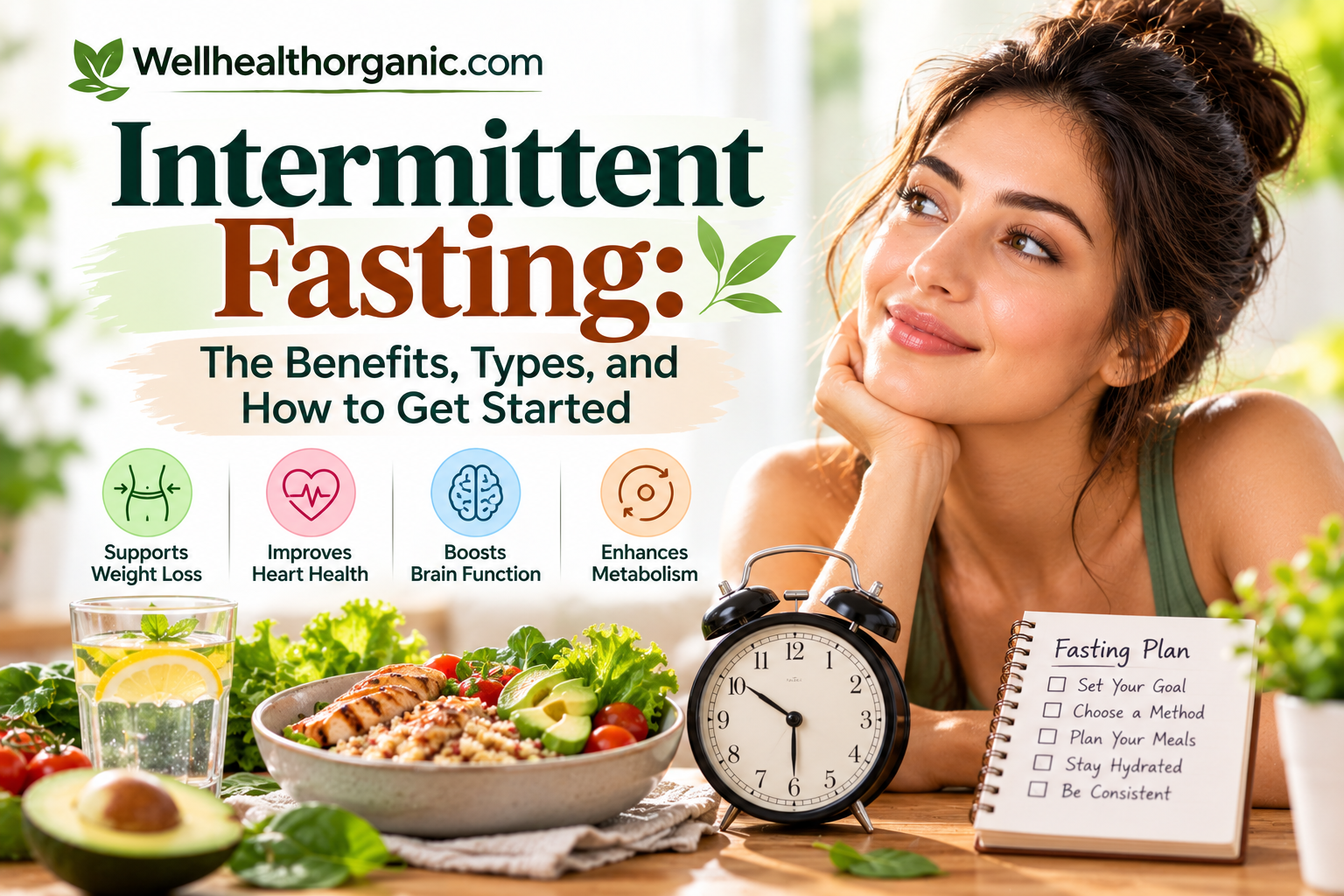
Intermittent fasting has become a popular approach to weight management and healthy eating. Unlike traditional diets that primarily focus on what you eat, intermittent fasting focuses on when you eat by alternating between periods of eating and fasting.
Research suggests that intermittent fasting may help some people lose weight and improve certain metabolic health markers. However, it is not suitable for everyone, and its benefits depend on factors such as your overall diet, lifestyle, health conditions, and the fasting method you follow.
In this comprehensive guide, we’ll explain what intermittent fasting is, the different types of intermittent fasting, potential benefits and risks, how to get started safely, and common myths about fasting.
What Is Intermittent Fasting?
Intermittent fasting is an eating pattern that alternates between periods of eating and periods of fasting or substantially reduced calorie intake.
Rather than prescribing specific foods, most intermittent fasting plans focus on establishing particular eating and fasting periods.
One of the most popular approaches is the 16/8 method, in which a person fasts for approximately 16 hours and consumes meals within an 8-hour eating window.
Other approaches include the 5:2 method, alternate-day fasting, and different forms of time-restricted eating.
How Does Intermittent Fasting Work?
During fasting periods, the body gradually uses available stored energy. Insulin levels and other metabolic processes also change in response to the absence of food.
For weight loss, one of the most practical effects of intermittent fasting is that limiting the hours or days during which you eat may make it easier to consume fewer calories overall.
However, fasting does not guarantee weight loss. If you regularly consume more energy than your body needs during your eating periods, you may not lose weight despite following a fasting schedule.
Types of Intermittent Fasting
There are several ways to practice intermittent fasting. The best approach depends on your lifestyle, preferences, nutritional needs, and health status.
1. 16/8 Intermittent Fasting
The 16/8 method involves fasting for 16 hours each day and eating during an 8-hour window.
For example, someone might eat between 12:00 p.m. and 8:00 p.m. and then fast until 12:00 p.m. the following day.
Another person might prefer an earlier eating window, such as 8:00 a.m. to 4:00 p.m. The schedule can be adjusted according to individual circumstances.
2. 14/10 Intermittent Fasting
The 14/10 method involves fasting for 14 hours and eating within a 10-hour window.
This less restrictive approach may be easier for beginners because much of the fasting period can occur overnight while you are sleeping.
3. 12/12 Intermittent Fasting
The 12/12 approach involves fasting for 12 hours and eating during the remaining 12 hours of the day.
For example, you might finish dinner at 7:00 p.m. and have breakfast at 7:00 a.m. the following morning.
This can be a relatively simple starting point for people who want to establish a consistent eating schedule without a long fasting period.
4. The 5:2 Method
With the 5:2 approach, you generally eat normally on five days of the week and substantially restrict calorie intake on two non-consecutive days.
Some versions of the 5:2 diet suggest approximately 500 to 600 calories on reduced-calorie days. Because nutritional requirements differ between individuals, this approach may not be appropriate for everyone.
5. Alternate-Day Fasting
Alternate-day fasting involves alternating between regular eating days and fasting or significantly reduced-calorie days.
This method can be more difficult to maintain than daily time-restricted eating and may cause stronger hunger or fatigue in some people.
6. Periodic or Extended Fasting
Periodic fasting involves fasting for longer periods, sometimes 24 hours or more.
Extended fasting is more restrictive and carries greater potential risks, including dehydration, low blood sugar in susceptible individuals, and inadequate nutrient intake. Longer fasts should not be attempted casually, particularly by people with medical conditions or those taking medications.
How to Start Intermittent Fasting
If intermittent fasting is appropriate for you, beginning gradually may make the transition easier.
1. Choose a Realistic Fasting Schedule
Select an eating schedule that works with your daily routine rather than choosing the most restrictive fasting method.
For example, beginners may find a 12-hour overnight fast easier than immediately attempting a 16-hour or longer fasting period.
2. Increase the Fasting Period Gradually
If your body adjusts comfortably, you can gradually increase the fasting period. There is no requirement to immediately begin with a 16/8 schedule.
A gradual approach can help you determine whether intermittent fasting is practical and sustainable for you.
3. Stay Hydrated
Drink adequate fluids throughout the day. Water is generally appropriate during fasting periods.
Unsweetened tea or plain coffee may also fit some fasting approaches, but adding sugar, milk, cream, or other calorie-containing ingredients changes the nutritional content of the beverage.
4. Prioritize Nutritious Foods
Intermittent fasting does not eliminate the importance of food quality. During your eating window, focus on a balanced diet that includes vegetables, fruits, whole grains, appropriate protein sources, and healthy fats.
A shorter eating window should not be used as an excuse to rely heavily on highly processed foods or consistently overeat.
5. Make Sure You Eat Enough Nutrients
Restricting eating periods can make it more challenging for some people to consume enough protein, fiber, vitamins, minerals, and overall energy.
Your meals should remain nutritionally balanced even when you are eating within a shorter window.
6. Pay Attention to How You Feel
Mild hunger may occur when adjusting to a new eating schedule. However, persistent dizziness, fainting, severe weakness, confusion, or other concerning symptoms should not simply be ignored as a normal part of fasting.
If fasting makes you consistently feel unwell, stop and seek appropriate medical advice.
Potential Benefits of Intermittent Fasting
Intermittent fasting has been studied for several potential health effects. Some findings are promising, but results vary depending on the fasting method, study population, diet quality, and duration of the intervention.
1. May Support Weight Loss
Intermittent fasting may help some people lose weight by reducing opportunities to eat and making it easier to maintain a calorie deficit.
However, intermittent fasting is not necessarily superior to other sustainable calorie-reduction strategies for everyone. Long-term adherence and overall calorie intake remain important factors.
2. May Improve Certain Measures of Blood Sugar Control
Some studies suggest that intermittent fasting or time-restricted eating may improve certain measures related to insulin sensitivity and blood sugar regulation in some people.
However, people with diabetes should not begin fasting without medical guidance because fasting can affect blood glucose levels and interact with diabetes medications.
3. May Improve Some Cardiometabolic Health Markers
Some intermittent fasting approaches have been associated with improvements in certain markers such as body weight, blood pressure, blood lipids, or blood sugar in some study populations.
The extent of these changes varies, and some benefits may be related to weight loss itself rather than fasting independently.
4. May Help Simplify Meal Planning
Some people find intermittent fasting easier to follow than traditional calorie-counting diets because it establishes a clear period for eating rather than requiring constant tracking.
For others, however, restricting eating times can make social activities and daily schedules more difficult. Sustainability is highly individual.
5. May Support Metabolic Health
Research continues to examine how fasting affects metabolism, circadian rhythms, insulin signaling, and other biological processes.
While some results are encouraging, intermittent fasting should not be considered a guaranteed method for preventing or treating chronic diseases.
Intermittent Fasting for Weight Loss
One of the most common reasons people try intermittent fasting is to lose weight.
Weight loss generally occurs when your body uses more energy than you consume over time. Intermittent fasting can help create this calorie deficit by reducing the amount of time available for eating.
However, it is still possible to consume too many calories during an eating window. Food quality, portion sizes, physical activity, sleep, and other lifestyle factors remain important.
A successful weight-management plan should also be sustainable. If fasting causes frequent overeating, significant fatigue, or an unhealthy relationship with food, another dietary approach may be more appropriate.
What Can You Drink During Intermittent Fasting?
Water is one of the simplest choices during a fasting period and can help you maintain appropriate hydration.
Depending on the fasting approach, people may also consume calorie-free or very low-calorie beverages such as:
- Water
- Sparkling water without added sugar or calories
- Plain tea without sugar
- Plain black coffee
Remember that beverages containing sugar, milk, cream, juice, or other calorie-containing ingredients generally add calories and may no longer fit a strict fasting period.
What Should You Eat When Breaking a Fast?
You do not necessarily need a special meal to break a typical daily fast. However, choosing a balanced meal can help provide the nutrients your body needs.
A balanced meal may include:
- A source of protein
- Vegetables or fruit
- Whole grains or other fiber-rich carbohydrates
- Healthy fats
- Water or another appropriate beverage
After a longer fasting period, eating a very large meal quickly may cause digestive discomfort in some people. Eating slowly and paying attention to fullness can help.
Can You Exercise While Intermittent Fasting?
Many healthy people can exercise during a fasting period, but individual tolerance varies considerably.
Some people feel comfortable performing light or moderate exercise while fasting, while others experience weakness, dizziness, reduced performance, or difficulty concentrating.
The appropriate timing of exercise may depend on the intensity of your workout, fasting duration, hydration status, training goals, and medical history.
If you feel dizzy, unusually weak, faint, or unwell while exercising in a fasted state, stop exercising and address the symptoms appropriately.
Potential Risks and Side Effects of Intermittent Fasting
Intermittent fasting may cause side effects, particularly when you first change your eating schedule or when fasting periods are too restrictive.
Possible side effects can include:
- Hunger
- Headaches
- Fatigue
- Irritability
- Difficulty concentrating
- Dizziness
- Digestive changes
- Reduced exercise performance
- Difficulty meeting nutritional needs
Restrictive fasting patterns can also contribute to unhealthy eating behaviors in susceptible individuals.
Who Should Be Cautious About Intermittent Fasting?
Intermittent fasting is not appropriate for everyone. Some people should avoid fasting or seek medical guidance before changing their eating schedule.
This may include:
- People who are pregnant or breastfeeding
- Children and adolescents
- People with a current or previous eating disorder
- People who are underweight or at risk of malnutrition
- People with diabetes, particularly those taking glucose-lowering medications
- People taking medications that need to be taken with food
- People with certain chronic medical conditions
- Older adults at risk of inadequate nutrition or muscle loss
- Anyone who experiences significant symptoms when fasting
If you have a medical condition or take regular medication, discuss intermittent fasting with an appropriate healthcare professional before beginning.
Common Myths About Intermittent Fasting
Intermittent fasting is surrounded by many claims online. Some oversimplify how metabolism, weight loss, and nutrition actually work.
Myth 1: Intermittent Fasting Automatically Makes You Lose Weight
Fasting does not guarantee weight loss. If your overall calorie intake remains higher than your energy needs, you may maintain or gain weight even while following a fasting schedule.
Myth 2: Longer Fasts Always Produce Better Results
A longer fasting period is not automatically healthier or more effective. More restrictive fasting can make it harder to meet nutritional requirements and may increase side effects.
The best eating pattern is one that is appropriate for your health and sustainable over time.
Myth 3: You Can Eat Anything During the Eating Window
Intermittent fasting does not cancel out the effects of an unbalanced diet. Food quality and total energy intake still matter.
Regularly consuming excessive amounts of highly processed foods, added sugars, or calories can undermine your health and weight-management goals.
Myth 4: Intermittent Fasting Never Causes Muscle Loss
Weight loss can include some loss of lean tissue, regardless of the diet used. Adequate protein intake and resistance exercise can be important for preserving muscle during weight loss.
More restrictive fasting approaches may make adequate nutrition more challenging for some individuals.
Myth 5: Intermittent Fasting Dramatically Boosts Metabolism
Claims that intermittent fasting dramatically increases metabolism are often overstated. Metabolic responses depend on factors such as fasting duration, calorie intake, body composition, and individual physiology.
Myth 6: Everyone Should Skip Breakfast
Intermittent fasting does not require everyone to skip breakfast. Some people prefer an early eating window and finish eating earlier in the evening instead.
The eating schedule should be selected according to your individual circumstances rather than assuming one meal must always be skipped.
Tips for Making Intermittent Fasting Easier
- Begin with a manageable fasting window.
- Increase fasting duration gradually if appropriate.
- Stay adequately hydrated.
- Eat balanced, nutrient-dense meals.
- Include sufficient protein and fiber in your diet.
- Avoid routinely overeating when breaking your fast.
- Maintain a consistent sleep schedule.
- Adjust your fasting schedule if it interferes with your health or daily activities.
- Seek professional guidance if you have a medical condition or take regular medications.
Is Intermittent Fasting Better Than a Regular Diet?
Intermittent fasting can be effective for some people, but it is not necessarily better than other healthy dietary approaches.
For weight management, research generally suggests that both intermittent fasting and traditional calorie-restriction approaches can be effective when they produce a sustainable calorie deficit.
The most suitable approach is often the one that helps you maintain good nutrition and healthy habits over the long term without causing significant physical or psychological problems.
Conclusion
Intermittent fasting is an eating pattern that alternates between periods of eating and fasting. Popular approaches include the 16/8 method, 14/10 method, 5:2 diet, alternate-day fasting, and other forms of time-restricted eating.
Intermittent fasting may help some people manage their weight and improve certain metabolic health markers, particularly when it makes maintaining an appropriate calorie intake easier. However, it is not a magic solution, and many of its benefits can also be achieved through other balanced and sustainable dietary approaches.
If you decide to try intermittent fasting, begin gradually, maintain appropriate hydration, prioritize nutritious foods, and pay attention to how your body responds.
Most importantly, remember that fasting is not suitable for everyone. People with medical conditions, those taking certain medications, pregnant or breastfeeding individuals, children and adolescents, and people with a history of eating disorders should seek appropriate professional guidance before attempting a restrictive fasting routine.
Frequently Asked Questions About Intermittent Fasting
What is intermittent fasting?
Intermittent fasting is an eating pattern that alternates between periods of eating and periods of fasting or significant calorie restriction. It focuses primarily on when you eat rather than prescribing a specific list of foods.
What is the most popular intermittent fasting schedule?
The 16/8 method is one of the most commonly discussed approaches. It involves fasting for approximately 16 hours and eating within an 8-hour window. However, shorter fasting periods such as 12/12 or 14/10 may be easier for some people.
Is intermittent fasting safe for everyone?
No. Intermittent fasting may not be appropriate for pregnant or breastfeeding individuals, children and adolescents, people with eating disorders, people at risk of malnutrition, and some people with medical conditions or those taking certain medications.
Can I drink water during intermittent fasting?
Yes. Maintaining appropriate hydration is important during fasting periods. Water is generally suitable during a fast.
Can I drink coffee while fasting?
Plain black coffee contains very few calories and is commonly consumed during many intermittent fasting routines. Adding sugar, milk, cream, or other calorie-containing ingredients changes its nutritional content.
Can I drink tea while fasting?
Plain unsweetened tea is commonly consumed during fasting periods. Adding sugar, honey, milk, or other calorie-containing ingredients may no longer fit a strict fast.
Can I exercise while fasting?
Many healthy people can exercise while fasting, but tolerance varies. Exercise intensity, fasting duration, hydration, nutrition, and individual health should all be considered. Stop if you experience significant dizziness, weakness, or other concerning symptoms.
Will intermittent fasting help me lose weight?
Intermittent fasting may support weight loss if it helps you maintain a calorie deficit. However, results vary, and fasting does not guarantee weight loss.
How long does intermittent fasting take to work?
There is no universal timeline. Changes in body weight or metabolic markers depend on your calorie intake, fasting schedule, physical activity, starting health status, and other individual factors.
Can I eat whatever I want during my eating window?
Technically, intermittent fasting primarily controls when you eat, but food quality still matters. A balanced diet containing appropriate amounts of protein, vegetables, fruits, whole grains, healthy fats, and other nutrient-rich foods is important for overall health.
Does intermittent fasting burn belly fat?
Intermittent fasting may contribute to overall fat loss when it creates a calorie deficit, but it cannot selectively target fat from one specific area of the body. Where your body loses fat is influenced by genetics, hormones, and other individual factors.
Does intermittent fasting slow metabolism?
The effect on metabolism depends on fasting duration, overall calorie intake, weight loss, body composition, and other factors. Short-term intermittent fasting should not be described as automatically slowing or dramatically increasing metabolism.
Does intermittent fasting cause muscle loss?
Any weight-loss approach can result in some loss of lean tissue. Adequate protein intake, appropriate calorie intake, and resistance training can help support muscle preservation during weight loss.
What should I eat after intermittent fasting?
A balanced meal containing protein, fiber-rich carbohydrates, vegetables or fruit, and healthy fats is a practical choice. There is generally no need for a special food to break a typical daily intermittent fast.
Can people with diabetes try intermittent fasting?
People with diabetes should discuss fasting with their healthcare professional before starting. Changes in meal timing can affect blood glucose and may require adjustments to diabetes medications to reduce the risk of dangerously low or high blood sugar.
Can I do intermittent fasting every day?
Some forms of time-restricted eating are practiced daily, but whether this is appropriate depends on your nutritional requirements, health, medications, lifestyle, and how your body responds. A more restrictive schedule is not necessarily better.
Disclaimer
This article is provided for general informational and educational purposes only and is not intended to replace professional medical or nutritional advice, diagnosis, or treatment. Intermittent fasting may not be appropriate for everyone. Consult a qualified healthcare professional before making significant dietary changes, particularly if you have a medical condition, take medication, are pregnant or breastfeeding, have a history of disordered eating, or have specific nutritional requirements.