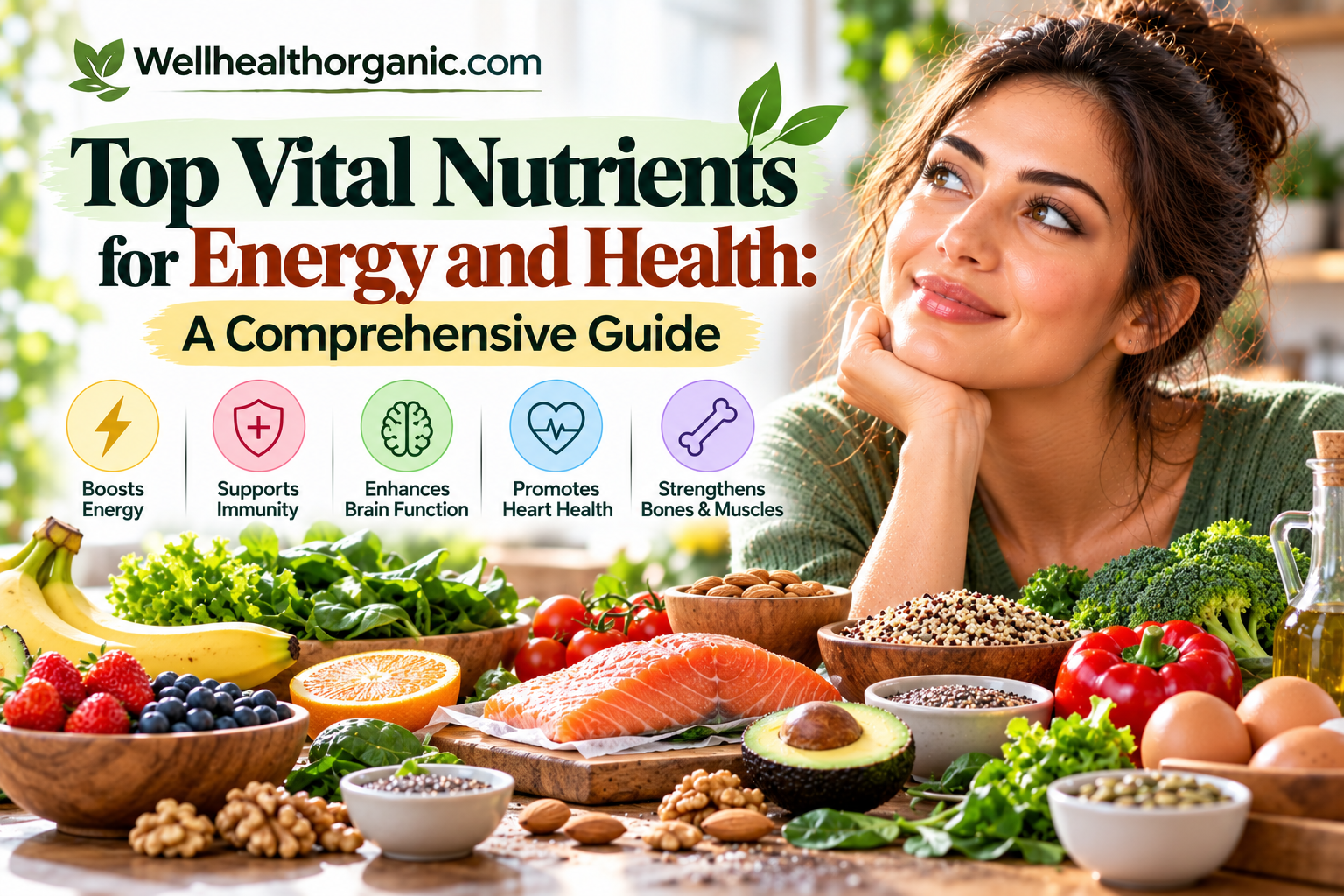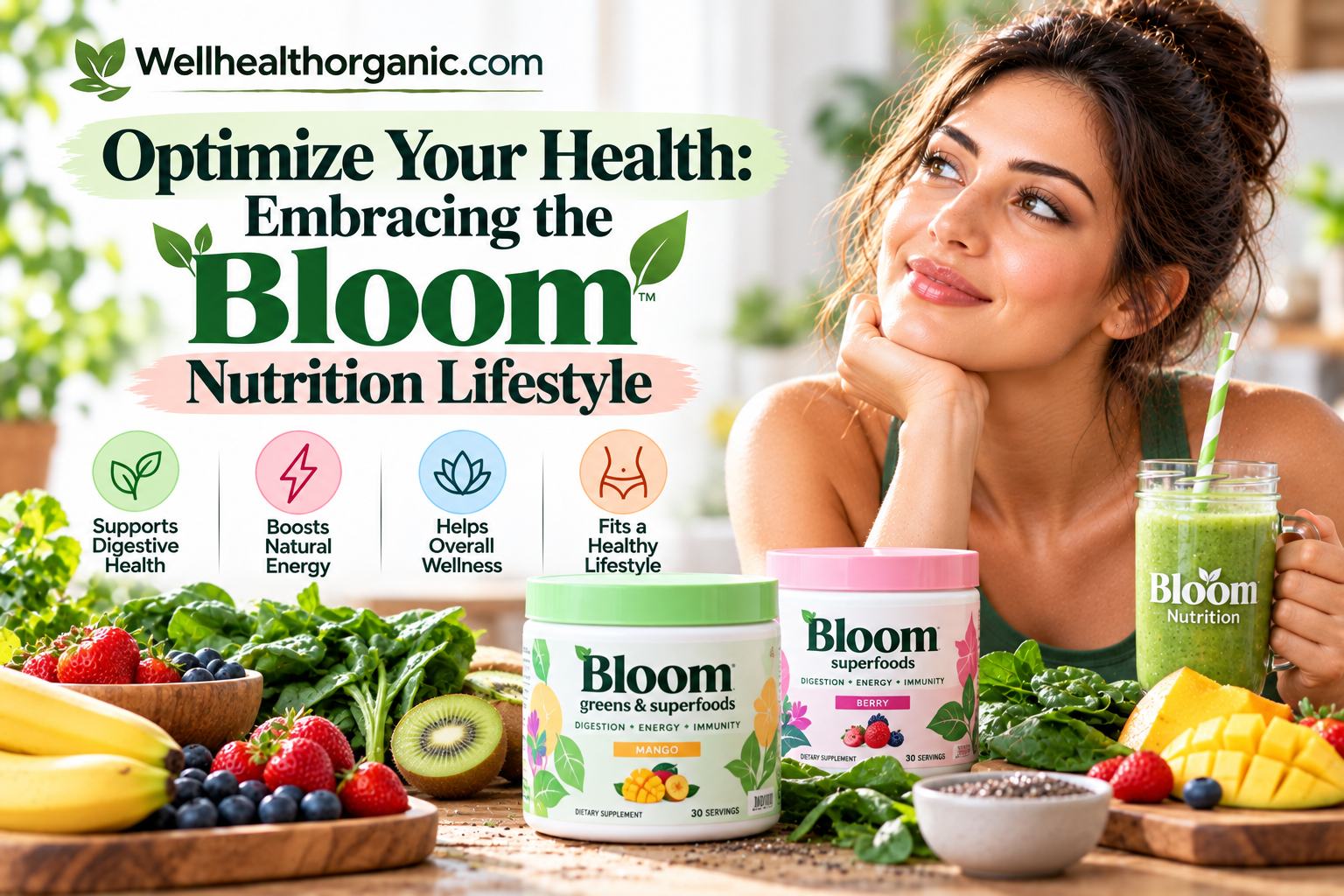
With new diet trends, wellness products, and nutrition advice appearing constantly, finding a healthy eating approach that is both practical and sustainable can feel overwhelming. Instead of relying on restrictive diets or quick fixes, focusing on balanced nutrition and long-term healthy habits can provide a more realistic approach to supporting overall well-being.
The idea of a Bloom Nutrition lifestyle, as discussed in this guide, centers on simple principles such as eating nutrient-dense foods, maintaining a balanced diet, staying hydrated, practicing mindful eating, and developing habits that can be maintained over time.
It is important to note that “Bloom Nutrition” is also associated with commercial nutrition and wellness products. The lifestyle principles discussed in this article should therefore be understood as general healthy-eating concepts rather than a medically established diet or treatment program.
What Is the Bloom Nutrition Lifestyle?
In the context of healthy eating, the Bloom Nutrition lifestyle can be viewed as an approach that emphasizes balanced meals, minimally processed foods, adequate hydration, and a healthy relationship with food.
Rather than eliminating entire food groups or following an extremely restrictive meal plan, this approach encourages variety and nutritional balance.
The foundation of a healthy diet can include:
- Vegetables
- Whole fruits
- Whole grains
- Beans and lentils
- Nuts and seeds
- Appropriate protein sources
- Healthy sources of dietary fat
- Adequate fluids
Individual nutritional needs vary according to age, body size, activity level, health conditions, medications, pregnancy status, and other factors.
Key Principles of a Balanced Nutrition Lifestyle
1. Focus on Whole and Minimally Processed Foods
Whole and minimally processed foods can provide important nutrients while helping you build balanced meals.
Examples include vegetables, fruits, whole grains, legumes, eggs, fish, lean meats, tofu, nuts, seeds, and unsweetened dairy or fortified alternatives, depending on your dietary preferences.
Processed food does not automatically mean unhealthy. However, frequently consuming foods that contain large amounts of added sugar, sodium, or saturated fat may make it more difficult to maintain a balanced diet.
2. Choose Nutrient-Dense Foods
Nutrient-dense foods provide useful amounts of vitamins, minerals, protein, fiber, healthy fats, or other nutrients relative to their calorie content.
Examples of nutrient-dense foods include:
- Leafy green vegetables
- Berries and other whole fruits
- Beans and lentils
- Whole grains
- Nuts and seeds
- Eggs
- Fish
- Plain yogurt
- Tofu and other soy foods
No single food provides every nutrient your body needs, which is why dietary variety is important.
3. Maintain Balance and Variety
A sustainable eating pattern does not necessarily require labeling foods as completely “good” or “bad.”
Instead, focus on your overall dietary pattern. Nutrient-rich foods can make up the majority of your diet while leaving room for foods you enjoy.
A varied diet can also help provide a broader range of vitamins, minerals, fiber, protein, and other nutrients.
4. Practice Mindful Eating
Mindful eating involves paying attention to your food and eating experience rather than eating automatically or while heavily distracted.
This may involve:
- Eating more slowly
- Noticing hunger and fullness cues
- Paying attention to taste and texture
- Reducing distractions during meals
- Recognizing emotional or habitual eating patterns
Mindful eating is not a weight-loss guarantee, but it can help some people develop greater awareness of their eating habits.
Potential Benefits of Balanced Nutrition
A balanced and varied diet provides nutrients required for normal body functions and can form an important part of a healthy lifestyle.
Improved Nutrient Intake
Eating a variety of vegetables, fruits, whole grains, protein-rich foods, nuts, seeds, and other nutrient-dense foods can help provide essential vitamins and minerals.
Your exact nutritional requirements depend on your individual circumstances, so more of a particular nutrient is not always better.
Support for Energy Levels
Food provides the energy your body needs for everyday activities, exercise, and normal physiological functions.
Balanced meals containing appropriate amounts of carbohydrates, protein, and fats can help provide energy throughout the day.
Persistent fatigue, however, can have many causes and should not automatically be attributed to diet.
Support for Digestive Health
Fiber-rich foods such as vegetables, fruits, legumes, and whole grains can support normal bowel function and digestive health.
Increasing fiber intake too quickly may cause temporary gas or bloating in some people. Gradually increasing fiber while drinking adequate fluids may make the transition more comfortable.
Support for Healthy Weight Management
A diet containing adequate protein, fiber, vegetables, fruits, and other filling foods may make weight management easier for some people.
However, no particular food or wellness product automatically causes weight loss.
Changes in body weight are influenced by overall energy intake, physical activity, sleep, medications, health conditions, genetics, and other factors.
Support for Heart Health
A balanced eating pattern that emphasizes vegetables, fruits, whole grains, legumes, nuts, seeds, and appropriate sources of unsaturated fat can support cardiovascular health.
Limiting excessive amounts of sodium, added sugar, and saturated fat may also be useful depending on your overall diet and health needs.
Support for Blood Sugar Management
Balanced meals containing fiber, protein, healthy fats, and appropriate portions of carbohydrates can form part of a healthy eating pattern.
People with diabetes, prediabetes, or other conditions affecting blood glucose may require more individualized dietary recommendations.
Nutrition and Mental Well-Being
Nutrition and mental health are connected in complex ways, and researchers continue to investigate the relationship between dietary patterns and psychological well-being.
A nutritious diet can support overall health, but food should not be presented as a standalone treatment for depression, anxiety, or another mental health condition.
If you experience persistent changes in mood, anxiety, depression, or other mental health symptoms, seek guidance from an appropriate healthcare professional.
How to Follow a Balanced Nutrition Lifestyle
Healthy eating does not have to involve changing everything at once. Small, sustainable changes can be easier to maintain over time.
Build a Balanced Plate
A simple approach is to build meals around vegetables, an appropriate protein source, and a fiber-rich carbohydrate.
Depending on your individual needs, a meal might contain:
- Vegetables or salad
- Fish, chicken, eggs, tofu, beans, or lentils
- Brown rice, oats, quinoa, potatoes, or another carbohydrate source
- A moderate amount of nuts, seeds, avocado, olive oil, or another source of dietary fat
This is a general framework rather than a personalized meal prescription.
Eat More Fruits and Vegetables
Including different types and colors of fruits and vegetables can increase the variety of nutrients and plant compounds in your diet.
Fresh, frozen, and appropriately prepared canned options can all contribute to your intake.
Choose Whole Grains More Often
Whole grains generally provide more fiber than highly refined grain products.
Options may include:
- Oats
- Brown rice
- Quinoa
- Barley
- Whole-grain bread
- Whole-grain pasta
Include Enough Protein
Protein is important for maintaining and repairing body tissues and supporting numerous physiological processes.
Protein sources can include:
- Fish
- Chicken and other lean meats
- Eggs
- Milk and yogurt
- Beans
- Lentils
- Chickpeas
- Tofu and tempeh
- Nuts and seeds
Protein requirements vary according to factors such as age, body size, activity level, health status, and fitness goals.
Include Healthy Sources of Fat
Dietary fat is an essential part of nutrition. Unsaturated fats can be obtained from foods such as:
- Nuts
- Seeds
- Avocados
- Olive oil
- Fatty fish
Fat is energy-dense, so portion size can still be important when managing overall calorie intake.
Stay Hydrated
Water is essential for normal body functions, including temperature regulation and transportation of nutrients.
Fluid requirements vary based on factors such as body size, activity level, weather, diet, pregnancy, breastfeeding, and health conditions.
Water is generally an excellent primary beverage choice. Other beverages and water-containing foods can also contribute to total fluid intake.
Rather than forcing yourself to drink an arbitrary amount of water, consider your individual needs and circumstances.
Plan Your Meals Ahead
Meal planning can make balanced eating easier, particularly during busy weeks.
Before grocery shopping, consider planning several meals and snacks around ingredients you can use in multiple dishes.
Useful foods to keep available may include:
- Frozen vegetables
- Whole fruits
- Beans and lentils
- Whole grains
- Eggs
- Plain yogurt
- Tofu
- Nuts and seeds
- Other protein sources appropriate for your diet
Simple Healthy Meal Ideas
Breakfast Ideas
- Oatmeal with berries, nuts, and seeds
- Eggs with vegetables and whole-grain toast
- Plain Greek yogurt with fruit and nuts
- Whole-grain toast with avocado and eggs
Lunch Ideas
- Grilled chicken with vegetables and brown rice
- Lentil and vegetable soup
- Chickpea salad with vegetables and olive oil
- Quinoa bowl with vegetables and tofu
Dinner Ideas
- Baked fish with vegetables and potatoes
- Chicken and vegetable stir-fry with brown rice
- Lentil curry with vegetables
- Tofu with mixed vegetables and quinoa
Healthy Snack Ideas
- Whole fruit with nuts
- Vegetables with hummus
- Plain yogurt with berries
- Roasted chickpeas
- A small handful of nuts and seeds
Should You Avoid Processed Foods Completely?
No. Processing exists on a spectrum, and many useful foods undergo some form of processing.
Frozen vegetables, canned beans, yogurt, whole-grain bread, tofu, and fortified foods are examples of processed foods that can still contribute to a nutritious diet.
Instead of trying to eliminate everything processed, consider the complete nutritional profile of the food.
Frequently consuming large amounts of foods high in added sugar, sodium, saturated fat, or refined carbohydrates may be less beneficial than building most meals around nutrient-rich foods.
Do You Need Supplements for a Healthy Lifestyle?
Supplements are not substitutes for a balanced diet.
Some people may benefit from particular supplements because of nutritional deficiencies, restrictive diets, pregnancy, age, medications, absorption problems, or other health circumstances.
However, taking supplements without a clear need can be unnecessary and, in some cases, excessive amounts of certain nutrients can cause harm or interact with medications.
If you’re considering regular use of nutritional supplements, particularly if you have a medical condition or take medication, discuss them with a qualified healthcare professional.
What About Greens Powders?
Greens powders and similar dietary supplements are often marketed as convenient ways to consume plant-derived ingredients, vitamins, minerals, probiotics, or other compounds.
However, a greens powder should not be considered nutritionally equivalent to eating a varied diet containing vegetables, fruits, whole grains, legumes, nuts, and seeds.
Whole foods can provide dietary fiber, water, nutrients, and physical volume that may not be present in equivalent amounts in powdered supplements.
If you choose to use a greens powder, consider it an optional supplement rather than a replacement for vegetables, fruit, or balanced meals.
Can Supplements Replace Vegetables?
Dietary supplements should not generally be used as a replacement for eating vegetables and other whole foods.
Vegetables provide combinations of fiber, vitamins, minerals, water, and numerous naturally occurring plant compounds.
A supplement containing selected vitamins or plant extracts does not necessarily reproduce the complete nutritional characteristics of whole vegetables.
Healthy Eating Is About Consistency, Not Perfection
One of the most useful principles for building a sustainable nutrition lifestyle is flexibility.
You do not need to eat perfectly at every meal to maintain a nutritious diet.
Occasionally eating desserts, restaurant meals, or other foods you enjoy can fit into an overall balanced eating pattern.
Long-term consistency is generally more practical than repeatedly switching between highly restrictive diets and periods of overeating.
Combine Nutrition With Other Healthy Habits
Nutrition is an important part of health, but it is not the only factor.
A well-rounded lifestyle can also include:
- Regular physical activity
- Adequate sleep
- Healthy stress-management strategies
- Avoiding tobacco
- Appropriate preventive healthcare
- Maintaining social connections
- Managing existing health conditions appropriately
Is the Bloom Nutrition Lifestyle Right for Everyone?
The general principles of eating a varied and balanced diet can be useful for many people, but there is no single eating pattern that is ideal for everyone.
Individual dietary requirements can differ significantly based on medical conditions, food allergies, intolerances, medications, cultural preferences, age, activity level, pregnancy, and other circumstances.
People with conditions such as diabetes, kidney disease, gastrointestinal disorders, food allergies, or eating disorders may require individualized nutritional guidance.
Conclusion
Embracing a balanced nutrition lifestyle does not require following an extreme diet, eliminating entire food groups, or depending on supplements.
A practical approach is to build most meals around nutrient-rich foods such as vegetables, fruits, whole grains, legumes, appropriate protein sources, nuts, seeds, and healthy fats while maintaining adequate hydration and reasonable portions.
Mindful eating, meal planning, regular physical activity, adequate sleep, and flexibility can make healthy habits easier to maintain over the long term.
If you use Bloom Nutrition products or other dietary supplements, remember that supplements are optional additions rather than substitutes for a nutritious diet. Review ingredient labels carefully and consider professional advice when supplements may interact with medications or existing health conditions.
Instead of searching for a quick fix, focus on sustainable habits that support your individual nutritional needs and overall well-being.
Frequently Asked Questions About the Bloom Nutrition Lifestyle
What is the Bloom Nutrition lifestyle?
In this guide, the term describes a balanced approach to nutrition emphasizing nutrient-dense foods, dietary variety, hydration, mindful eating, and sustainable habits. It should not be confused with a medically established diet or treatment program.
Is Bloom Nutrition a specific diet?
Bloom Nutrition is associated with a nutrition and wellness brand, but there is not a universally recognized medical diet known as the “Bloom Nutrition diet.” General healthy-eating principles should be distinguished from claims made about individual commercial products.
What foods should I eat for balanced nutrition?
A balanced diet can include vegetables, fruits, whole grains, beans, lentils, appropriate protein sources, nuts, seeds, and healthy sources of dietary fat. The exact combination should reflect your individual nutritional requirements.
Do I need to eliminate carbohydrates?
No. Nutritious carbohydrate sources such as fruits, vegetables, legumes, oats, brown rice, and other whole grains can form part of a balanced diet.
Can balanced nutrition help with weight management?
A balanced eating pattern can support weight management, particularly when it helps you maintain an appropriate overall energy intake. Body weight is also influenced by physical activity, sleep, medications, medical conditions, genetics, and other factors.
Are greens powders necessary?
No. Greens powders are optional dietary supplements and are not necessary for everyone. They should not replace vegetables, fruits, or balanced meals.
Can greens powder replace vegetables?
Greens powders should not generally be considered direct replacements for whole vegetables. Whole foods provide combinations of fiber, water, vitamins, minerals, and other compounds that supplements may not provide in equivalent amounts.
Do I need supplements if I eat healthy foods?
Not necessarily. Supplement requirements depend on your diet, nutritional status, age, health conditions, medications, and other factors. Some people have specific nutritional needs that make supplementation appropriate.
How can I start eating healthier?
Start with manageable changes. Add more vegetables and fruits, choose whole grains more often, include appropriate protein sources, drink enough fluids, and plan meals ahead when possible. Gradual changes can be easier to maintain than an extremely restrictive diet.
What does nutrient-dense mean?
Nutrient-dense foods provide useful amounts of nutrients such as protein, fiber, vitamins, minerals, or healthy fats relative to their calorie content.
Is mindful eating useful?
Mindful eating can help increase awareness of hunger, fullness, taste, eating habits, and emotional responses to food. It is a behavioral approach rather than a specific diet.
Can healthy eating improve energy levels?
Adequate nutrition can support normal energy needs, but persistent fatigue can have many causes. If you regularly experience unexplained or severe fatigue, consider discussing it with a healthcare professional.
Do I have to give up my favorite foods?
No. A balanced eating pattern can include foods you enjoy. Your overall dietary pattern and long-term habits are generally more important than trying to make every individual meal perfect.
Is this type of nutrition suitable for everyone?
General balanced-eating principles can be useful for many people, but individual nutritional needs vary. People with medical conditions, allergies, pregnancy-related requirements, or restrictive diets may benefit from personalized professional guidance.
Disclaimer
This article is provided for general informational and educational purposes only and is not intended as medical or nutritional advice, diagnosis, or treatment. References to Bloom Nutrition should not be interpreted as an endorsement of any brand, product, supplement, or health claim. Dietary supplements are not substitutes for a balanced diet. Consult a qualified healthcare professional or registered dietitian before making significant dietary changes or using supplements if you have a medical condition, take medications, are pregnant or breastfeeding, or have specific nutritional concerns.