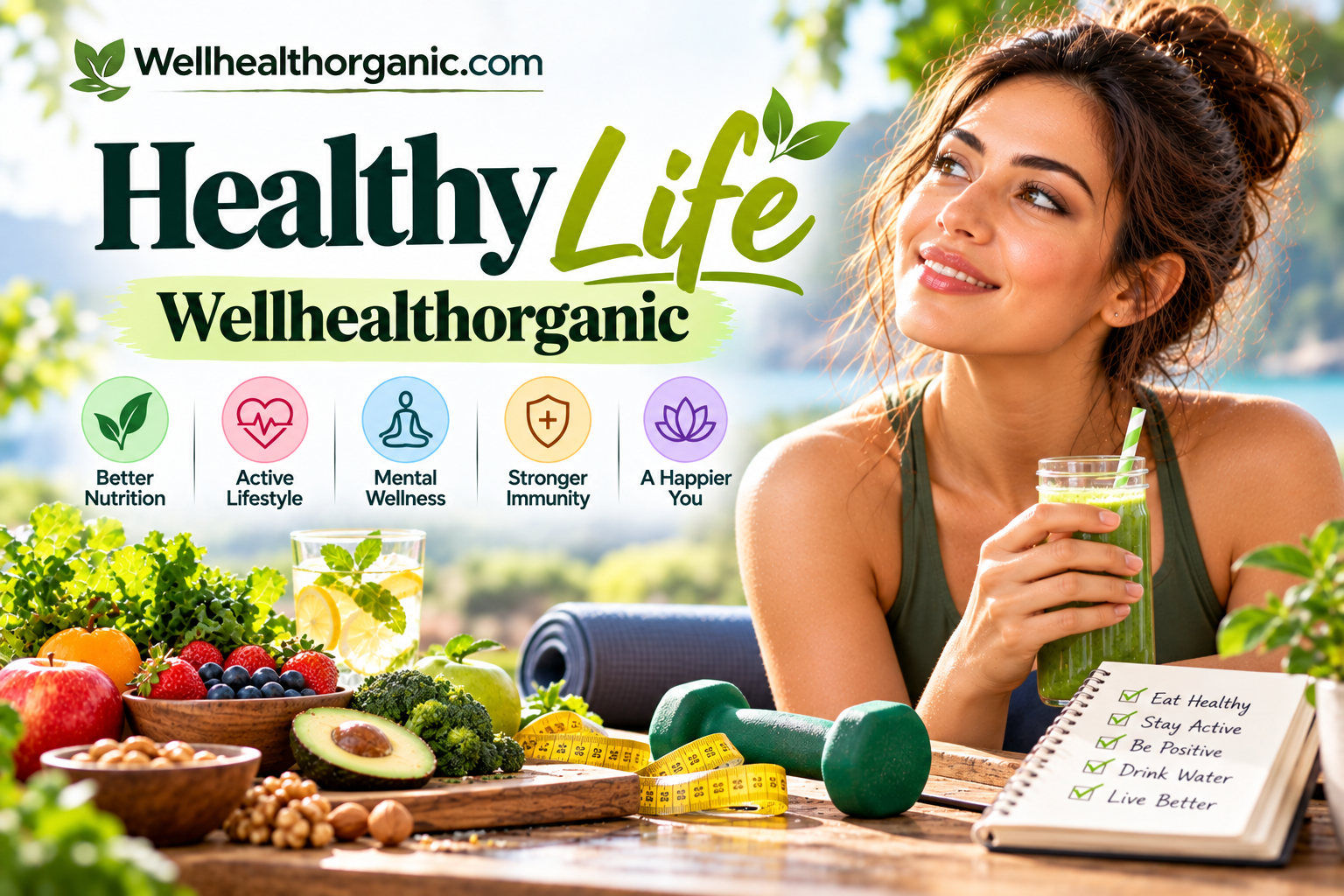
Living a healthy life involves more than following a strict diet or exercising occasionally. Long-term health is influenced by nutrition, physical activity, sleep, mental well-being, stress management, social connections, preventive healthcare, and many other factors.
The Healthy Life WellHealthOrganic approach focuses on practical lifestyle habits that can support overall well-being. This includes eating a balanced diet, choosing nutritious foods, staying physically active, getting adequate sleep, managing stress, and making informed decisions about organic and conventional products.
In this guide, we’ll explore what healthy living means, the role of organic foods, healthy eating habits, exercise, sleep, hydration, stress management, and simple ways to build a healthier lifestyle that you can maintain over time.
What Is WellHealthOrganic?
WellHealthOrganic is a health and wellness information platform covering topics related to nutrition, healthy eating, fitness, beauty, lifestyle, wellness, and organic living.
The goal of health-focused educational content should be to help readers better understand everyday wellness topics and make informed lifestyle decisions.
However, online health information should not replace personalized medical advice, diagnosis, or treatment from qualified healthcare professionals.
What Does Living a Healthy Life Mean?
A healthy lifestyle is a collection of habits and behaviors that support your physical, mental, and social well-being.
It does not require perfection or following every new health trend.
Important components of a healthy lifestyle generally include:
- Eating a varied and balanced diet
- Getting regular physical activity
- Sleeping adequately
- Staying appropriately hydrated
- Managing stress
- Avoiding tobacco
- Limiting excessive alcohol consumption
- Maintaining healthy social relationships
- Taking care of your mental health
- Receiving appropriate preventive healthcare
Small habits practiced consistently can be more sustainable than extreme lifestyle changes that are difficult to maintain.
What Is an Organic Lifestyle?
An organic lifestyle generally refers to choosing organically produced foods and, for some people, extending similar preferences to household, gardening, clothing, or personal-care products.
However, there is no medically defined “organic lifestyle” that everyone must follow to be healthy.
Choosing organic products can be a personal preference based on agricultural practices, environmental considerations, pesticide use, animal-welfare concerns, availability, or other factors.
Organic living should therefore be viewed as one possible component of a lifestyle rather than a requirement for good health.
What Does Organic Food Mean?
The term organic generally refers to food produced according to specific agricultural standards established by the relevant certification authority.
Organic standards can regulate areas such as:
- Use of certain synthetic pesticides and fertilizers
- Genetically modified organisms
- Soil-management practices
- Animal-production practices
- Processing methods
- Record keeping and certification
The exact requirements depend on the country and certification system.
For example, products carrying an official organic certification must meet the applicable standards of the organization or government authority responsible for that certification.
Is Organic Food Healthier?
Organic foods can form part of a healthy diet, but an organic label does not automatically make a food healthier or more nutritious.
The nutritional content of food can be influenced by many factors, including:
- Plant variety
- Growing conditions
- Soil
- Harvest timing
- Storage
- Transportation
- Processing
- Cooking methods
Organic farming restricts the use of certain agricultural chemicals, but “organic” does not mean completely pesticide-free. Organic agriculture may use pesticides permitted under organic standards.
Whether you buy organic or conventional food, eating enough vegetables, fruits, whole grains, legumes, nuts, seeds, and appropriate protein sources is generally more important than focusing exclusively on an organic label.
Organic vs. Conventional Food
Both organic and conventionally produced foods can contribute to a nutritious diet.
Organic and conventional agriculture differ mainly in their production standards and farming practices rather than belonging to simple categories of “healthy” and “unhealthy.”
If organic products fit your preferences and budget, they can certainly be included in your diet. If they are unavailable or too expensive, conventional vegetables, fruits, grains, legumes, and other nutritious foods remain valuable choices.
Do not avoid eating fruits and vegetables simply because organic versions are unavailable.
Benefits of Eating a Balanced Diet
A balanced diet provides the energy and nutrients your body needs to perform normal physiological functions.
A nutritious eating pattern can support:
- Normal growth and development
- Healthy body weight
- Muscle and bone health
- Digestive health
- Normal immune function
- Cardiovascular health
- Energy for daily activities
- Overall health and well-being
No single food can provide everything your body needs, which is why dietary variety is important.
Build Your Diet Around Whole and Nutrient-Rich Foods
A practical approach to healthy eating is to build most meals around minimally processed, nutrient-rich foods.
Examples include:
- Vegetables
- Whole fruits
- Whole grains
- Beans and lentils
- Fish
- Eggs
- Lean meats and poultry
- Tofu and other soy foods
- Nuts and seeds
- Plain dairy products or suitable fortified alternatives
This does not mean that every processed food must be eliminated. Processing exists on a spectrum, and foods such as frozen vegetables, canned beans, yogurt, tofu, and whole-grain bread can still contribute valuable nutrients.
Eat More Fruits and Vegetables
Vegetables and fruits provide vitamins, minerals, fiber, water, and numerous naturally occurring plant compounds.
Eating a variety of colors and types can help increase the diversity of nutrients in your diet.
Fresh produce is not your only option. Frozen and appropriately prepared canned fruits and vegetables can also be nutritious and convenient.
Choose Whole Grains
Whole grains generally contain more fiber and retain more of the original grain structure than highly refined grains.
Examples include:
- Oats
- Brown rice
- Quinoa
- Barley
- Whole-wheat bread
- Whole-grain pasta
Fiber contributes to normal digestive function and can help make meals more satisfying.
Include Enough Protein
Protein provides amino acids needed to build and maintain tissues and produce enzymes, hormones, antibodies, and other important molecules.
Protein-rich foods include:
- Fish
- Eggs
- Chicken
- Lean meat
- Milk and yogurt
- Beans
- Lentils
- Chickpeas
- Tofu and tempeh
- Nuts and seeds
Individual protein requirements vary according to age, body size, activity level, health, pregnancy, and fitness goals.
Choose Healthy Sources of Fat
Dietary fat is essential for normal body functions and helps the body absorb the fat-soluble vitamins A, D, E, and K.
Sources of unsaturated fats include:
- Olive oil
- Nuts
- Seeds
- Avocados
- Fatty fish
A balanced diet does not require eliminating fat. Instead, consider the type and amount of fat in your overall eating pattern.
Limit Excess Added Sugar, Sodium, and Saturated Fat
Healthy living does not require completely avoiding every dessert, salty food, or source of saturated fat.
However, frequently consuming large amounts of added sugar, sodium, and saturated fat may make it more difficult to maintain a balanced dietary pattern.
Reading nutrition labels can help you compare packaged foods and make choices that fit your individual needs.
Stay Hydrated
Water is essential for normal body functions, including temperature regulation, circulation, digestion, and waste removal.
Fluid requirements differ according to factors such as:
- Body size
- Physical activity
- Weather and temperature
- Diet
- Pregnancy and breastfeeding
- Medications
- Health conditions
Water is generally an excellent primary beverage. Other beverages and water-rich foods can also contribute to total fluid intake.
Exercise Regularly
Physical activity is an important component of a healthy lifestyle.
Regular activity can support cardiovascular fitness, muscle strength, bone health, mobility, metabolic health, and mental well-being.
Exercise does not have to mean spending hours in a gym.
Depending on your abilities and preferences, physical activity can include:
- Walking
- Running
- Cycling
- Swimming
- Strength training
- Yoga
- Sports
- Dancing
- Active household or gardening activities
Choosing activities you enjoy can make regular movement easier to maintain.
Include Strength Training
Strength or resistance exercise can help maintain and build muscle strength and support bone health and physical function.
Resistance training can involve:
- Free weights
- Weight machines
- Resistance bands
- Bodyweight exercises
Beginners should learn appropriate technique and increase exercise intensity gradually.
Move More Throughout the Day
A structured workout is useful, but everyday movement also matters.
If you spend long periods sitting, consider incorporating regular movement breaks when practical.
Simple habits can include walking short distances, taking stairs when appropriate, stretching, standing periodically, or completing household activities.
Prioritize Quality Sleep
Sleep is essential for physical and mental health.
During sleep, the body performs numerous processes related to memory, immune function, metabolism, tissue maintenance, and hormonal regulation.
Adults commonly need around seven or more hours of sleep per night, although individual sleep requirements vary.
Children and teenagers generally require more sleep than adults.
How to Improve Your Sleep Habits
Healthy sleep habits can include:
- Maintaining a relatively consistent sleep schedule
- Keeping the bedroom dark, quiet, and comfortable
- Reducing stimulating activities close to bedtime
- Limiting caffeine late in the day if it affects your sleep
- Getting regular physical activity
- Creating a relaxing bedtime routine
Persistent insomnia, excessive daytime sleepiness, loud snoring accompanied by breathing interruptions, or other significant sleep problems should be discussed with a healthcare professional.
Manage Stress
Stress is a normal part of life, but persistent or overwhelming stress can affect both physical and mental well-being.
Healthy stress-management strategies may include:
- Regular exercise
- Meditation or mindfulness
- Breathing exercises
- Spending time outdoors
- Talking with supportive friends or family
- Engaging in hobbies
- Taking appropriate breaks from work
- Seeking professional support when necessary
There is no single stress-management technique that works equally well for everyone.
Take Care of Your Mental Health
Mental health is an important part of overall health.
Nutrition, physical activity, sleep, relationships, stress, work, medical conditions, genetics, and life circumstances can all influence mental well-being.
Healthy lifestyle habits can support mental health, but they should not be presented as substitutes for professional treatment of depression, anxiety, or other mental health conditions.
Build Healthy Social Connections
A healthy life includes more than food and exercise.
Supportive relationships with family, friends, colleagues, and community members can contribute to emotional and social well-being.
Making time for meaningful relationships and seeking support when needed can be an important part of a balanced lifestyle.
Avoid Tobacco
Avoiding tobacco is one of the most important lifestyle decisions for long-term health.
Tobacco use is associated with numerous serious health conditions.
People who currently use tobacco and want to stop may benefit from evidence-based cessation support from healthcare professionals and appropriate smoking-cessation programs.
Be Mindful of Alcohol
Alcohol is not required for good health.
If you drink alcohol, consider applicable health guidance and your individual circumstances. Some people should avoid alcohol completely, including individuals with certain medical conditions, those taking interacting medications, and people who are pregnant.
Maintain Good Personal Hygiene
Basic hygiene practices can help reduce exposure to infectious organisms and support everyday health.
Useful habits include:
- Regular handwashing
- Good oral hygiene
- Safe food preparation
- Appropriate bathing and skin care
- Keeping frequently used environments reasonably clean
Natural Cleaning Products and Healthy Living
The word “natural” does not automatically mean that a cleaning product is safer or healthier.
Both conventional and naturally derived cleaning products can contain substances that irritate the skin, eyes, or respiratory system if they are used incorrectly.
Follow product instructions, maintain appropriate ventilation, keep cleaning products away from children and pets, and never mix household chemicals unless the product instructions specifically indicate that it is safe.
Is Organic Farming Better for the Environment?
Organic agriculture uses farming practices and inputs that differ from conventional agriculture.
Depending on the crop, region, farming system, and environmental measure being considered, organic farming may offer advantages in areas such as reducing the use of certain synthetic pesticides and supporting particular soil-management or biodiversity practices.
However, environmental comparisons are complex.
Organic agriculture can sometimes require more land per unit of food produced because yields may differ between farming systems. Transportation, water use, energy consumption, packaging, food waste, and local growing conditions also influence a food’s environmental impact.
For this reason, neither “organic” nor “conventional” alone provides a complete measure of environmental sustainability.
How to Start an Organic Lifestyle
If you want to include more organic products in your lifestyle, you do not need to change everything at once.
You can start by:
- Identifying which organic products are available locally.
- Comparing prices with conventional alternatives.
- Choosing certified organic products when certification matters to you.
- Buying seasonal foods when practical.
- Reducing unnecessary food waste.
- Preparing more meals at home.
- Growing herbs or vegetables if you have suitable space.
An organic lifestyle should fit your budget and circumstances rather than creating unnecessary financial pressure.
Does Everything Need to Be Organic?
No. You do not need to eat exclusively organic food to maintain a healthy diet.
If your budget is limited, prioritize overall dietary quality rather than avoiding nutritious foods because organic versions are too expensive.
Vegetables, fruits, whole grains, beans, lentils, nuts, seeds, and other nutritious foods can contribute to good health whether they are organically or conventionally produced.
Wash Fruits and Vegetables Before Eating
Fresh produce should generally be washed appropriately before preparation or eating, regardless of whether it is organic or conventionally grown.
Washing can help remove dirt and some surface contaminants, although it does not remove every possible microorganism or pesticide residue.
Follow appropriate food-safety practices when handling fresh produce.
Healthy Life WellHealthOrganic Morning Routine
A healthy morning routine does not need to be complicated.
A practical routine might include:
- Waking at a consistent time
- Drinking fluids according to your needs
- Eating a nutritious breakfast if you prefer breakfast
- Getting some physical movement
- Spending a few minutes planning your day
- Getting natural daylight when practical
There is no single morning routine that is necessary for everyone. Choose habits that fit your schedule and lifestyle.
Healthy Life WellHealthOrganic Daily Routine
A balanced day could include nutritious meals, regular movement, adequate fluids, time for work or study, social interaction, relaxation, and sufficient sleep.
For example:
- Morning: Start the day with hydration, movement, and a nutritious meal if desired.
- Daytime: Eat balanced meals, take movement breaks, and stay appropriately hydrated.
- Afternoon: Include physical activity when it fits your schedule.
- Evening: Eat a balanced dinner and allow time to relax.
- Night: Reduce unnecessary stimulation and maintain a consistent sleep routine.
The ideal routine will vary according to work schedules, family responsibilities, age, culture, health, and personal preferences.
Simple Habits for a Healthier Life
You don’t need to completely transform your lifestyle overnight.
Consider starting with a few realistic habits:
- Add vegetables to more meals.
- Choose whole fruit more often.
- Drink water regularly.
- Walk more when practical.
- Include resistance exercise.
- Maintain a regular sleep schedule.
- Reduce excessive consumption of sugary drinks.
- Prepare more meals at home.
- Take breaks during long periods of sitting.
- Make time for friends and family.
Once one habit becomes part of your routine, you can gradually work on another.
Healthy Living Is Not About Perfection
A healthy lifestyle should be sustainable.
You do not need to eat perfectly, exercise every day, buy exclusively organic products, or follow every wellness trend.
A birthday cake, restaurant meal, missed workout, or late night does not erase your overall healthy habits.
Focus on what you do consistently over weeks, months, and years rather than expecting perfection every day.
Be Careful With Health and Wellness Trends
Health trends frequently appear online promising rapid weight loss, detoxification, improved immunity, increased energy, or cures for various health problems.
Be cautious of claims that a particular food, supplement, drink, or routine can:
- Cure multiple diseases
- Detoxify the body dramatically
- Cause effortless weight loss
- Replace prescribed medication
- Strengthen immunity instantly
- Guarantee perfect health
Human health is complex, and extraordinary claims should be supported by strong scientific evidence.
Do You Need Supplements for a Healthy Life?
Dietary supplements can be useful when there is a specific nutritional need, but they are not automatically necessary for everyone.
Supplementation may be appropriate in circumstances such as diagnosed deficiencies, pregnancy, restrictive diets, certain medical conditions, absorption problems, or specific age-related needs.
However, supplements should not be considered substitutes for a varied diet.
High doses of certain vitamins, minerals, herbs, and other supplements can cause adverse effects or interact with medications.
Preventive Healthcare Matters
A healthy lifestyle does not eliminate the need for medical care.
Preventive healthcare may include appropriate:
- Health checkups
- Vaccinations
- Blood pressure checks
- Dental care
- Eye examinations
- Age- and risk-appropriate health screenings
The appropriate schedule depends on your age, sex, medical history, family history, risk factors, and local healthcare recommendations.
Healthy Life WellHealthOrganic: A Long-Term Approach
The most effective healthy lifestyle is generally one you can maintain.
Instead of depending on extreme diets, expensive products, or short-term wellness challenges, focus on sustainable behaviors.
Eat nutritious foods most of the time, stay active, sleep adequately, manage stress, maintain meaningful relationships, avoid tobacco, use preventive healthcare, and make choices that fit your individual circumstances.
Organic foods can be part of this approach if they match your preferences, availability, and budget, but they are not a requirement for living a healthy life.
Conclusion
Healthy Life WellHealthOrganic is ultimately about developing realistic habits that support physical, mental, and social well-being.
Healthy living is much broader than simply buying organic products. A nutritious diet, regular physical activity, adequate sleep, hydration, stress management, supportive relationships, and appropriate healthcare all contribute to overall wellness.
Organic foods can be included in a balanced lifestyle, but an organic label does not automatically make a food healthier, safer, or more nutritious. If organic products are important to you, choose appropriately certified options while continuing to focus on your overall dietary pattern.
Most importantly, avoid searching for a perfect lifestyle. Start with manageable changes and build habits you can maintain over time. Consistency, flexibility, and informed decision-making are more valuable than following every new health trend.
Frequently Asked Questions About Healthy Life WellHealthOrganic
What is Healthy Life WellHealthOrganic?
Healthy Life WellHealthOrganic refers to a health-focused approach that emphasizes balanced nutrition, physical activity, adequate sleep, hydration, stress management, and informed lifestyle choices, including information about organic living.
What is WellHealthOrganic?
WellHealthOrganic is a health and wellness information platform covering topics such as nutrition, fitness, lifestyle, beauty, healthy eating, and organic living.
What are the most important habits for a healthy life?
Important habits include eating a balanced diet, staying physically active, sleeping adequately, staying hydrated, managing stress, avoiding tobacco, maintaining supportive relationships, and receiving appropriate preventive healthcare.
Is organic food healthier than conventional food?
Not necessarily. Organic and conventional foods can both contribute to a nutritious diet. Organic certification primarily relates to production methods and does not automatically mean a food contains more nutrients or is healthier.
Is organic food pesticide-free?
No. Organic agriculture restricts many conventional pesticides but may permit certain substances under applicable organic standards. Organic should not be interpreted as completely pesticide-free.
Do I need to eat only organic food to be healthy?
No. A healthy diet does not require exclusively organic food. Overall dietary quality, variety, portion size, and long-term eating habits are more important.
Is conventional produce safe to eat?
Conventionally grown fruits and vegetables can be part of a healthy diet. Follow appropriate food-safety practices, including washing fresh produce before preparation or consumption.
Is organic farming better for the environment?
Organic farming can offer environmental advantages in certain areas, but sustainability depends on many factors, including crop type, yield, land use, water use, transportation, energy consumption, biodiversity, and local farming practices.
How can I start living a healthier lifestyle?
Begin with small changes that are realistic for you. Add more vegetables and whole foods to your diet, move more frequently, establish a consistent sleep schedule, stay appropriately hydrated, and gradually reduce habits that negatively affect your health.
How much exercise do I need?
Exercise needs depend on age, health, fitness level, and individual circumstances. A balanced routine generally includes aerobic activity, muscle-strengthening exercise, and regular everyday movement.
How much sleep do adults need?
Many adults generally need at least around seven hours of sleep per night, although individual requirements vary. Sleep quality and consistency are also important.
Does drinking more water make you healthier?
Adequate hydration is essential, but drinking excessive amounts of water does not provide additional health benefits and can be harmful in extreme cases. Fluid requirements vary between individuals.
Do I need dietary supplements?
Not necessarily. Many people can obtain most nutrients from a varied diet. Supplements may be appropriate when there is a specific nutritional need, deficiency, medical condition, pregnancy-related requirement, or dietary restriction.
Can healthy food prevent all diseases?
No. A nutritious diet can support health and influence certain disease risk factors, but it cannot prevent every disease. Genetics, age, environment, infections, lifestyle, and many other factors also affect health.
What is the best diet for healthy living?
There is no single diet that is ideal for everyone. A generally nutritious eating pattern emphasizes vegetables, fruits, whole grains, legumes, appropriate protein sources, nuts, seeds, and healthy fats while limiting excessive added sugar, sodium, and saturated fat.
Is a natural product always safer?
No. “Natural” does not automatically mean safe. Natural substances can cause allergies, irritation, toxicity, or medication interactions. Products should be evaluated based on their ingredients, dose, intended use, and available evidence.
What is the easiest way to maintain a healthy lifestyle?
Focus on habits that fit naturally into your daily routine. Make gradual improvements rather than attempting an extreme transformation. Sustainable habits practiced consistently are generally easier to maintain over the long term.
Disclaimer
This article is provided for general informational and educational purposes only and is not intended as medical, nutritional, or mental health advice, diagnosis, or treatment. Individual health and nutritional requirements vary. Consult a qualified healthcare professional or registered dietitian for personalized guidance, particularly if you have a medical condition, take medications, are pregnant or breastfeeding, or plan to make significant changes to your diet, exercise routine, or supplement use.