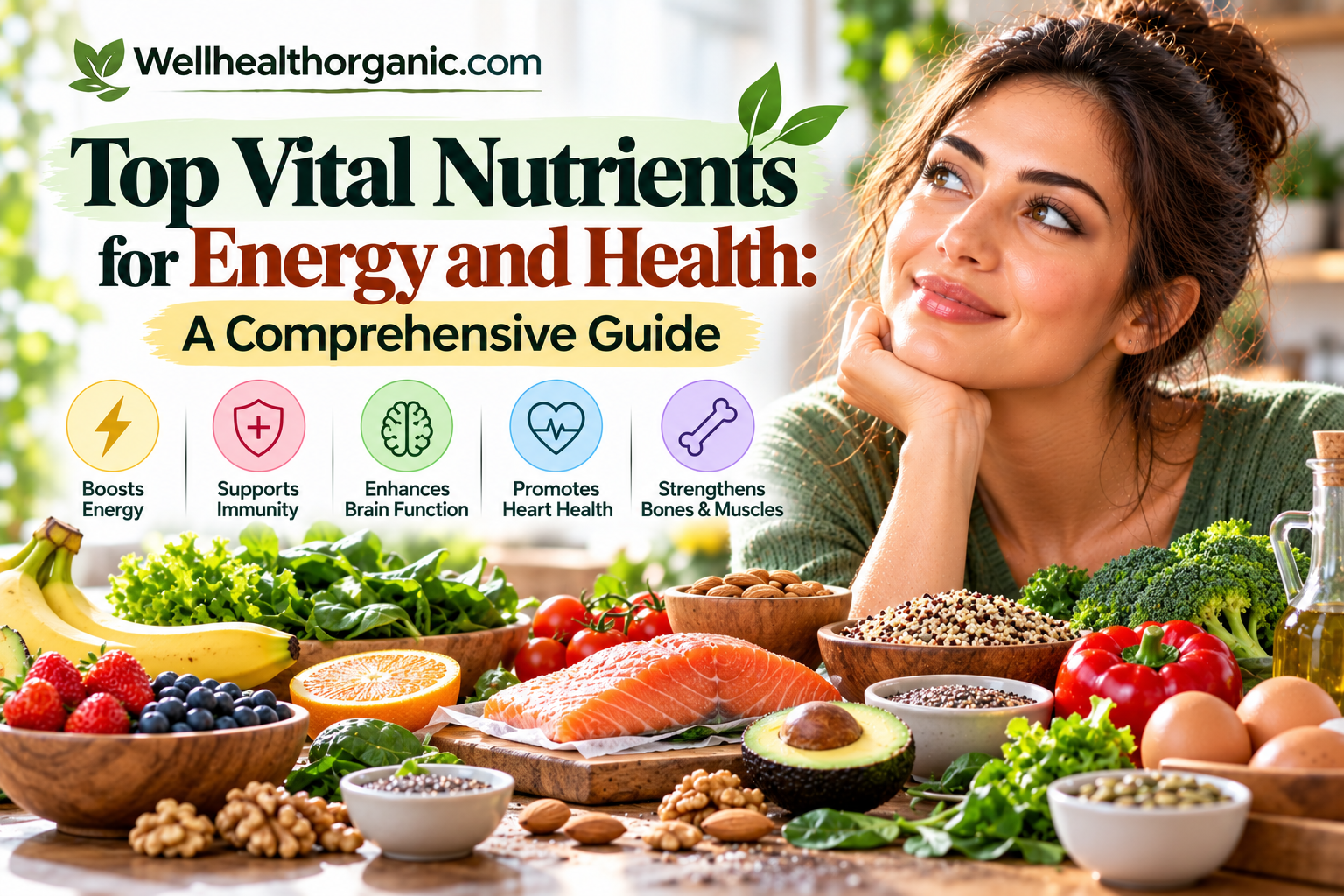
Vital nutrients are substances your body needs to function, grow, repair tissues, produce energy, and maintain overall health. They include vitamins, minerals, protein, fats, carbohydrates, and water, although the scientific meaning of an “essential nutrient” is more specific and refers to nutrients the body cannot produce in sufficient amounts on its own.
Eating a varied and balanced diet is one of the best ways to obtain the nutrients your body needs. Vegetables, fruits, whole grains, legumes, nuts, seeds, dairy or fortified alternatives, eggs, fish, meat, and other protein-rich foods can all contribute important nutrients.
In this guide, we’ll explore the major types of nutrients, their functions, the best food sources, signs of possible nutrient deficiencies, and how to maintain adequate nutrient intake through a balanced diet.
What Are Vital Nutrients?
Vital nutrients are dietary components that support normal physiological functions. Different nutrients perform different jobs, ranging from providing energy to supporting bones, muscles, nerves, blood cells, immunity, and normal growth.
Nutrients are commonly divided into two broad categories:
- Macronutrients: carbohydrates, proteins, and fats
- Micronutrients: vitamins and minerals
Water is also essential for life and is sometimes discussed separately from these categories.
Your body needs macronutrients in relatively larger quantities, while vitamins and minerals are generally required in much smaller amounts. However, needing a nutrient in a smaller quantity does not make it less important.
The 6 Major Types of Nutrients
The six major categories commonly discussed in nutrition are:
- Carbohydrates
- Proteins
- Fats
- Vitamins
- Minerals
- Water
Each contributes differently to maintaining normal body functions.
1. Carbohydrates
Carbohydrates are an important source of energy for the body. During digestion, many carbohydrates are broken down into glucose, which can be used by cells for energy.
The brain relies heavily on glucose under normal dietary conditions, although the body can adapt to using alternative fuels under certain circumstances.
Types of Carbohydrates
Carbohydrates include sugars, starches, and fiber.
Simple Carbohydrates
Simple carbohydrates include naturally occurring sugars found in foods such as fruit and milk as well as added sugars found in sweets, sugary drinks, desserts, and many processed foods.
The nutritional quality of carbohydrate-containing foods depends on more than whether their carbohydrates are considered simple or complex.
For example, whole fruit contains naturally occurring sugars but also provides fiber, vitamins, minerals, water, and beneficial plant compounds.
Complex Carbohydrates
Starches and fiber are found in foods such as:
- Whole grains
- Beans
- Lentils
- Peas
- Potatoes
- Other vegetables
Choosing fiber-rich carbohydrate sources can support digestive health and provide important nutrients.
Healthy Sources of Carbohydrates
- Oats
- Brown rice
- Quinoa
- Barley
- Whole-grain bread
- Beans and lentils
- Vegetables
- Whole fruits
2. Protein
Protein provides amino acids that the body uses to build and maintain tissues and produce enzymes, hormones, antibodies, and many other important molecules.
Protein is particularly important for:
- Growth and development
- Maintaining and repairing body tissues
- Maintaining muscle mass
- Producing enzymes
- Producing certain hormones
- Supporting normal immune function
Essential Amino Acids
Proteins are made from amino acids. Some amino acids can be produced by the body, while others must be obtained from food and are known as essential amino acids.
A varied diet containing adequate protein can provide the amino acids needed for normal body functions.
Animal Sources of Protein
- Fish
- Chicken
- Meat
- Eggs
- Milk
- Yogurt
- Cheese
Plant Sources of Protein
- Beans
- Lentils
- Chickpeas
- Tofu
- Tempeh
- Soy foods
- Peas
- Nuts
- Seeds
- Whole grains
Protein requirements vary according to factors such as age, body size, physical activity, pregnancy, health status, and fitness goals.
3. Fats
Dietary fat is an essential part of a balanced diet. Fat provides energy and is involved in numerous biological processes.
Dietary fats help with:
- Providing and storing energy
- Building cell membranes
- Producing certain signaling molecules
- Supporting absorption of vitamins A, D, E, and K
- Providing essential fatty acids
Unsaturated Fats
Unsaturated fats are found in foods such as:
- Olive oil
- Nuts
- Seeds
- Avocados
- Fish
- Some vegetable oils
Replacing some sources of saturated fat with unsaturated fats can be beneficial for cardiovascular health.
Saturated Fats
Saturated fats are found in varying amounts in foods such as fatty meats, butter, cheese, full-fat dairy products, coconut oil, and palm oil.
Saturated fat does not need to be completely eliminated from every diet, but excessive intake should generally be limited as part of a heart-healthy eating pattern.
Trans Fats
Artificial trans fats produced through partially hydrogenated oils have been associated with adverse cardiovascular effects and should be minimized.
Regulations regarding artificial trans fats differ between countries, so checking ingredient and nutrition labels can be useful.
Essential Fatty Acids
The body needs certain fatty acids that it cannot make adequately on its own.
These include:
- Linoleic acid, an omega-6 fatty acid
- Alpha-linolenic acid, or ALA, an omega-3 fatty acid
Sources of omega-3 fats can include fatty fish, flax seeds, chia seeds, walnuts, and certain other foods.
4. Vitamins
Vitamins are organic compounds needed in relatively small quantities for normal physiological functions.
Different vitamins contribute to processes involving vision, immunity, blood formation, metabolism, nervous system function, bone health, and other essential functions.
Fat-Soluble Vitamins
Vitamins A, D, E, and K are classified as fat-soluble vitamins.
Vitamin A
Vitamin A contributes to normal vision, immune function, reproduction, and cellular development.
Food sources can include:
- Liver
- Eggs
- Dairy products
- Carrots
- Sweet potatoes
- Spinach and other leafy greens
Some plant foods contain carotenoids such as beta-carotene, which the body can convert into vitamin A.
Vitamin D
Vitamin D plays an important role in calcium absorption and bone health and also contributes to normal muscle and immune function.
Sources may include:
- Sunlight exposure
- Fatty fish
- Egg yolks
- Fortified milk
- Fortified plant-based beverages
- Vitamin D supplements when appropriate
Vitamin D deficiency can occur for many reasons, including limited sun exposure, dietary factors, absorption problems, and certain health conditions.
Vitamin E
Vitamin E acts as an antioxidant and helps protect cells from oxidative damage.
Food sources include:
- Nuts
- Seeds
- Vegetable oils
- Some leafy vegetables
Vitamin K
Vitamin K is important for normal blood clotting and contributes to bone metabolism.
Sources include leafy green vegetables such as kale, spinach, and other greens.
People taking certain anticoagulant medications may need to manage vitamin K intake carefully under medical guidance rather than suddenly increasing or decreasing their intake.
Water-Soluble Vitamins
Vitamin C and the B vitamins are classified as water-soluble vitamins.
Vitamin C
Vitamin C contributes to collagen production, antioxidant protection, immune function, and the absorption of non-heme iron from plant foods.
Sources include:
- Citrus fruits
- Guava
- Kiwi
- Strawberries
- Bell peppers
- Tomatoes
- Broccoli
B Vitamins
The B-vitamin family includes several different vitamins involved in metabolism and other body functions.
These include:
- Vitamin B1, or thiamin
- Vitamin B2, or riboflavin
- Vitamin B3, or niacin
- Vitamin B5, or pantothenic acid
- Vitamin B6
- Vitamin B7, or biotin
- Vitamin B9, or folate
- Vitamin B12
B vitamins are involved in processes including energy metabolism, nervous system function, DNA synthesis, and red blood cell formation.
Different B vitamins occur in different foods, so dietary variety is important.
5. Minerals
Minerals are inorganic elements that the body needs for numerous functions, including bone formation, fluid balance, nerve signaling, muscle contraction, oxygen transport, and enzyme activity.
Calcium
Calcium is important for bones and teeth and also contributes to muscle contraction, nerve function, and other physiological processes.
Sources can include:
- Milk
- Yogurt
- Cheese
- Calcium-fortified plant beverages
- Calcium-set tofu
- Some leafy green vegetables
Iron
Iron is required to produce hemoglobin, a protein in red blood cells that helps transport oxygen throughout the body.
Sources include:
- Meat
- Seafood
- Beans
- Lentils
- Tofu
- Fortified cereals
- Some leafy green vegetables
Vitamin C can help improve absorption of non-heme iron from plant foods.
Magnesium
Magnesium contributes to muscle and nerve function, energy metabolism, bone health, and numerous enzyme reactions.
Sources include:
- Nuts
- Seeds
- Beans
- Whole grains
- Leafy green vegetables
Potassium
Potassium contributes to normal nerve signaling, muscle function, and fluid balance.
Sources include:
- Potatoes
- Beans
- Lentils
- Bananas
- Oranges
- Tomatoes
- Leafy vegetables
- Yogurt
People with certain kidney conditions or those taking particular medications may need individualized guidance regarding potassium intake.
Zinc
Zinc is involved in immune function, wound healing, DNA synthesis, cell division, growth, and many other biological processes.
Sources include:
- Meat
- Shellfish
- Dairy products
- Beans
- Nuts
- Seeds
- Whole grains
Phosphorus
Phosphorus is important for bones and teeth and is involved in energy metabolism and cellular functions.
It is found in many foods, including dairy products, meat, fish, beans, nuts, seeds, and whole grains.
Iodine
Iodine is necessary for the production of thyroid hormones, which help regulate metabolism and contribute to growth and development.
Sources may include:
- Iodized salt
- Seafood
- Dairy products
- Some sea vegetables
The iodine content of seaweed can vary considerably, and excessive iodine intake can also cause health problems.
Selenium
Selenium is involved in antioxidant defense, thyroid hormone metabolism, reproduction, and other body functions.
Food sources include seafood, meat, eggs, grains, dairy products, nuts, and seeds, although amounts can vary depending on the soil in which foods are grown.
6. Water
Water is essential for life and is involved in almost every major body system.
Water helps with:
- Regulating body temperature
- Transporting nutrients
- Removing waste products
- Supporting digestion
- Maintaining blood volume
- Lubricating joints and tissues
- Supporting normal cellular functions
Fluid requirements vary according to body size, physical activity, climate, pregnancy, breastfeeding, diet, medications, and health conditions.
Water is an excellent primary beverage, but other beverages and water-rich foods also contribute to total fluid intake.
Why Are Vital Nutrients Important?
Your body depends on nutrients to perform thousands of processes every day. Nutrient deficiencies can interfere with these functions, while a balanced diet helps provide the materials your body needs.
Support Growth and Development
Children and adolescents require adequate energy, protein, vitamins, minerals, and other nutrients for normal growth and development.
Pregnancy and breastfeeding also create specific nutritional requirements.
Support Bone Health
Bone health depends on multiple nutrients and lifestyle factors.
Calcium, vitamin D, protein, phosphorus, magnesium, and vitamin K all contribute in different ways to maintaining normal bones.
Weight-bearing physical activity is also important for bone health.
Support Immune Function
The immune system requires adequate nutrition to function normally.
Nutrients including protein, vitamins A, C, D and E, zinc, selenium, iron, and others participate in various aspects of immune function.
However, taking excessive amounts of individual vitamins or minerals does not necessarily make the immune system stronger and may sometimes be harmful.
Support Energy Metabolism
Carbohydrates and fats provide energy, while protein can also contribute energy when necessary.
Several vitamins and minerals help enzymes carry out the chemical reactions involved in converting food into usable energy.
Vitamins themselves do not contain calories and therefore do not directly provide energy.
Support Muscle Function
Protein, carbohydrates, fats, electrolytes, vitamins, minerals, and adequate hydration all contribute to different aspects of muscle performance and recovery.
Physical activity and resistance training are also essential for maintaining and developing muscle.
Can Nutrients Prevent Disease?
Adequate nutrition helps prevent diseases specifically caused by nutrient deficiencies.
For example:
- Adequate vitamin C prevents scurvy.
- Adequate vitamin D and calcium support normal bone health.
- Adequate iron helps prevent iron-deficiency anemia.
- Adequate vitamin B12 helps prevent B12-deficiency anemia and neurological complications.
- Adequate iodine helps prevent iodine-deficiency disorders.
However, nutrition should not be presented as a guarantee against chronic diseases. Heart disease, diabetes, cancer, osteoporosis, and other conditions are influenced by multiple genetic, environmental, medical, and lifestyle factors.
A nutritious dietary pattern can help reduce certain risk factors but cannot eliminate all disease risk.
How to Get Essential Nutrients From Food
For most people, a varied diet is the foundation of good nutrition.
Eat a Variety of Vegetables
Different vegetables provide different combinations of vitamins, minerals, fiber, and plant compounds.
Including vegetables of different colors and types can increase dietary variety.
Eat Whole Fruits
Whole fruits can provide fiber, vitamins, minerals, water, and beneficial plant compounds.
Whole fruit is generally more filling and contains more fiber than fruit juice.
Choose Whole Grains
Whole grains such as oats, brown rice, quinoa, barley, and whole-grain bread can provide carbohydrates, fiber, B vitamins, minerals, and other nutrients.
Include Protein-Rich Foods
Include appropriate protein sources according to your dietary preferences.
These may include fish, eggs, poultry, dairy products, beans, lentils, tofu, tempeh, nuts, and seeds.
Include Sources of Healthy Fat
Nuts, seeds, olive oil, avocado, and fish can provide useful sources of unsaturated fat.
Stay Hydrated
Drink fluids according to your individual needs and increase intake appropriately during exercise, hot weather, illness, pregnancy, breastfeeding, or other situations that increase fluid requirements.
What Is a Nutrient-Dense Diet?
A nutrient-dense diet emphasizes foods that provide substantial nutritional value relative to their calorie content.
Nutrient-dense foods can include:
- Vegetables
- Fruits
- Beans and lentils
- Whole grains
- Fish
- Eggs
- Lean protein sources
- Nuts and seeds
- Plain dairy products
- Fortified alternatives when appropriate
A healthy diet does not require every food you eat to be maximally nutrient-dense. Overall dietary patterns and long-term consistency are more important than making every meal perfect.
Signs of Possible Nutrient Deficiency
Nutrient deficiencies can produce different symptoms depending on which nutrient is deficient and how severe the deficiency has become.
Possible symptoms may include:
- Persistent fatigue
- Weakness
- Pale skin
- Unexplained hair changes
- Mouth or tongue changes
- Muscle weakness
- Bone pain
- Numbness or tingling
- Poor wound healing
- Changes in vision
These symptoms are not specific to nutritional deficiencies and can occur with many medical conditions.
Do not diagnose a nutrient deficiency based only on symptoms or information found online. A healthcare professional may use your medical history, dietary information, physical examination, and appropriate laboratory testing to determine whether a deficiency is present.
Common Nutrient Deficiencies
The prevalence of nutrient deficiencies varies considerably between countries, age groups, dietary patterns, health conditions, and populations.
Nutrients that may require particular attention in certain people include:
- Iron
- Vitamin D
- Vitamin B12
- Folate
- Calcium
- Iodine
Risk does not mean that everyone needs supplements. Individual assessment is important.
Do You Need Vitamin and Mineral Supplements?
Not everyone needs dietary supplements.
A varied diet can provide many essential nutrients, but supplementation may be appropriate in certain circumstances.
Examples can include:
- A diagnosed nutritional deficiency
- Pregnancy or planning pregnancy
- Vegan or highly restrictive diets
- Certain gastrointestinal or absorption disorders
- Specific medications
- Limited access to particular foods
- Certain age-related nutritional needs
The appropriate supplement and dose depend on the individual.
Taking large amounts of vitamins and minerals unnecessarily can cause adverse effects. Fat-soluble vitamins and certain minerals can accumulate or become harmful when consumed excessively.
Discuss supplementation with a qualified healthcare professional when you are unsure whether you need it.
Can a Plant-Based Diet Provide Essential Nutrients?
A carefully planned plant-based diet can provide many of the nutrients required for good health.
Plant-based sources include:
- Protein: beans, lentils, tofu, tempeh, soy foods, nuts, and seeds
- Iron: beans, lentils, tofu, seeds, fortified cereals, and leafy greens
- Calcium: fortified plant beverages, calcium-set tofu, and certain leafy vegetables
- Omega-3 ALA: flax seeds, chia seeds, walnuts, and hemp seeds
- Zinc: beans, nuts, seeds, and whole grains
Vitamin B12 deserves particular attention in vegan diets because reliable natural plant sources are limited.
People following a vegan diet generally need a dependable source of vitamin B12 from fortified foods, supplements, or a combination of both.
Vitamin D, iodine, calcium, iron, zinc, and long-chain omega-3 fatty acids may also require additional consideration depending on the individual’s diet and circumstances.
Can You Get Too Many Vitamins and Minerals?
Yes. More is not always better when it comes to nutrients.
Excessive amounts of certain vitamins and minerals can cause adverse effects.
This is particularly relevant when taking high-dose supplements because it is generally easier to consume unusually large quantities through concentrated supplements than through ordinary foods.
Follow appropriate dosage guidance and avoid taking multiple supplements containing overlapping nutrients without considering your total intake.
Food vs. Supplements: Which Is Better?
Supplements can be useful when there is a specific nutritional need, but they should not generally replace a varied diet.
Whole foods provide combinations of protein, carbohydrates, fats, fiber, vitamins, minerals, water, and other naturally occurring compounds.
A supplement usually provides only selected nutrients or ingredients.
For most people, the goal should be to obtain most nutrients through food while using supplements strategically when they are medically or nutritionally appropriate.
How Nutrient Needs Change With Age
Nutritional requirements are not identical throughout life.
Infants, children, adolescents, adults, pregnant individuals, breastfeeding individuals, and older adults can have different requirements for energy and specific nutrients.
For example, growth increases nutritional needs during childhood and adolescence, while older adults may need particular attention to nutrients such as protein, vitamin B12, vitamin D, and calcium depending on their individual circumstances.
Vital Nutrients During Pregnancy
Pregnancy increases requirements for several nutrients, and adequate nutrition is important for both maternal health and fetal development.
Nutrients that commonly require particular attention include:
- Folate or folic acid
- Iron
- Iodine
- Protein
- Calcium
- Vitamin D
- Vitamin B12
- Choline
- Omega-3 fatty acids
Pregnancy supplement requirements should be discussed with an appropriate prenatal healthcare professional because recommended amounts and individual needs can vary.
Vital Nutrients for Children
Children require adequate energy and nutrients to support growth, brain development, bones, muscles, blood production, and other normal body functions.
A varied diet containing appropriate amounts of vegetables, fruits, grains, protein-rich foods, dairy or suitable alternatives, and healthy fats can help meet nutritional needs.
Children with highly restrictive diets, feeding difficulties, allergies, medical conditions, or poor growth may require professional nutritional assessment.
Vital Nutrients for Older Adults
Nutrition remains important throughout older adulthood.
Older adults may experience changes in appetite, calorie requirements, digestion, medication use, mobility, and nutrient absorption.
Adequate protein, vitamin B12, calcium, vitamin D, fiber, and hydration can be particularly important depending on individual health and dietary circumstances.
Conclusion
Vital nutrients support virtually every major function in the human body. Carbohydrates, proteins, fats, vitamins, minerals, and water all contribute in different ways to energy metabolism, growth, tissue maintenance, nerve and muscle function, bone health, immunity, and overall well-being.
The best way to obtain a broad range of nutrients is generally to eat a varied diet containing vegetables, fruits, whole grains, legumes, appropriate protein sources, nuts, seeds, and healthy fats while maintaining adequate hydration.
Supplements can be valuable when a specific need exists, but they should not automatically replace nutritious foods or be taken in excessive amounts.
If you suspect a nutritional deficiency or have a medical condition that affects your nutritional needs, seek appropriate professional guidance rather than attempting to diagnose or treat the problem with supplements on your own.
Frequently Asked Questions About Vital Nutrients
What are vital nutrients?
Vital nutrients are substances the body needs to support normal functions, growth, maintenance, and health. Major nutritional categories include carbohydrates, proteins, fats, vitamins, minerals, and water.
What are essential nutrients?
Essential nutrients are nutrients that the body cannot produce at all or cannot produce in sufficient quantities to meet its needs, meaning they must be obtained through the diet.
What are the six major types of nutrients?
The six major categories commonly discussed in nutrition are carbohydrates, proteins, fats, vitamins, minerals, and water.
Which nutrients provide energy?
Carbohydrates and fats provide energy, and protein can also be used for energy. Vitamins and minerals do not contain calories and therefore do not directly provide energy, although many participate in energy metabolism.
What are the most important vitamins?
All essential vitamins have important functions. These include vitamins A, C, D, E, K and the B vitamins. Rather than identifying one vitamin as the most important, the goal should be to obtain adequate amounts of all essential vitamins.
What are important minerals for the body?
Important minerals include calcium, phosphorus, magnesium, sodium, potassium, chloride, iron, zinc, iodine, selenium, copper, manganese, and others. Each has different physiological functions.
How can I get enough nutrients every day?
Eating a varied diet containing vegetables, fruits, whole grains, protein-rich foods, legumes, nuts, seeds, and appropriate sources of healthy fat can help provide a broad range of nutrients. Individual requirements vary.
How do I know if I have a nutrient deficiency?
Symptoms alone cannot reliably diagnose most nutrient deficiencies. Healthcare professionals may use your medical history, diet, physical examination, and appropriate laboratory testing to determine whether a deficiency exists.
Does feeling tired mean I have a vitamin deficiency?
Not necessarily. Fatigue can occur with iron, vitamin B12, folate, or other nutritional deficiencies, but it can also have many non-nutritional causes. Persistent or unexplained fatigue should be evaluated appropriately.
Can a plant-based diet provide all essential nutrients?
A carefully planned plant-based diet can provide many essential nutrients. Fully vegan diets require a reliable source of vitamin B12, and nutrients such as vitamin D, iodine, iron, calcium, zinc, and omega-3 fatty acids may require additional planning.
Should I take a multivitamin every day?
Not everyone requires a daily multivitamin. Whether supplementation is appropriate depends on your diet, age, health, medications, pregnancy status, nutritional deficiencies, and other factors.
Can taking too many vitamins be harmful?
Yes. Excessive intake of certain vitamins and minerals can cause adverse effects. High-dose supplements should not be assumed to be harmless simply because the nutrients are essential.
Are carbohydrates essential for health?
Carbohydrates are an important and efficient source of energy and many carbohydrate-rich foods provide valuable fiber and micronutrients. Strictly speaking, dietary carbohydrates are not classified as essential in the same way as essential amino acids or essential fatty acids because the body can produce glucose from other substances when necessary.
Why is protein important?
Protein supplies amino acids needed to build and maintain tissues and produce enzymes, hormones, antibodies, and other important molecules.
Why does the body need fat?
Fat provides energy, supplies essential fatty acids, contributes to cell membranes, and helps the body absorb the fat-soluble vitamins A, D, E, and K.
Why is water considered an essential nutrient?
Water is required for temperature regulation, circulation, digestion, waste removal, nutrient transport, and numerous cellular processes. The body cannot survive without adequate water.
Is it better to get nutrients from food or supplements?
For most people, food should provide the foundation of nutrition because whole foods contain combinations of nutrients, fiber, and other compounds. Supplements can be useful when specific nutritional needs cannot be adequately met through diet alone.
Disclaimer
This article is provided for general informational and educational purposes only and is not intended as medical or nutritional advice, diagnosis, or treatment. Nutrient requirements vary according to age, sex, body size, pregnancy, activity level, health conditions, medications, and other factors. Consult a qualified healthcare professional or registered dietitian if you suspect a nutrient deficiency, have a medical condition affecting nutrition, or are considering high-dose dietary supplements.